In brief
The competition's new regulations aim to empower women and shift beauty standards in a nation known for its wig culture.
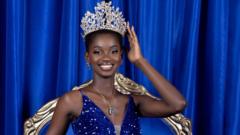
Long regarded as a symbol of beauty and sophistication in beauty pageants, wigs and weave extensions have dominated the scene in Ivory Coast for decades. However, a new wave of change is sweeping through the competition with the recent announcement of rules banning such hair accessories during preliminary rounds. Marlène-Kany Kouassi, who made history in 2022 as one of only two winners in six decades to don her crown with short natural hair, set a precedent for embracing authentic beauty. Victor Yapobi, the president of the Miss Ivory Coast organising committee, stated, "We want the candidates to be natural – whether with braids or straightened hair, it should be their own. Beauty must be raw."This transformative ruling comes in conjunction with expanded eligibility requirements, allowing slightly shorter contestants to compete and adjusting the upper age limit to 28, along with a significant reduction in the entrance fee. The rationale behind these changes is to ease the financial burden on candidates who often spend extravagantly on their appearances.The reactions to these new rules have been mixed. Contestants like Emmanuella Dali, an aspiring real estate agent, expressed delight at embracing her natural hair, feeling it fosters pride as an African woman. Conversely, some participants, such as makeup artist Astrid Menekou, initially viewed the no-wig regulation with skepticism but eventually adapted their perspectives, embracing their natural looks as well.The broader societal implications of these changes cannot be understated, as they challenge ingrained beauty standards where wigs have been synonymous with femininity and status. With a hair industry in Ivory Coast valued at over $300 million annually, salon owners worry about the financial repercussions of the new rules, fearing a decline in demand for wigs and extensions.However, as natural hair continues to gain popularity globally, many see this paradigm shift as a step toward redefining beauty norms. The challenge remains—can pageants influence public perception and acceptance of natural beauty, or will traditional preferences persist? As the Miss Ivory Coast 2025 final approaches, there's a keen interest in how far this movement toward embracing natural beauty will resonate, leaving room for both individual expression and communal pride. For now, contestants like Doria Koré, who recently won the title of Miss Haut-Sassandra, emphasize that representing natural beauty not only honors African heritage but also fosters a newfound self-confidence among women.