In brief
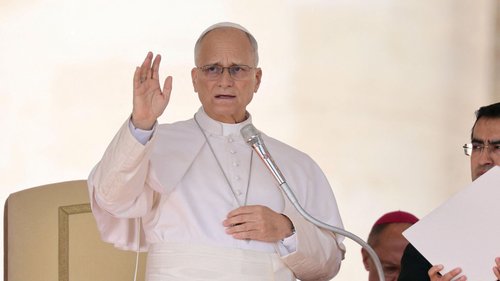
In recent days, rumors regarding Pope Francis's health have escalated into a frenzy of speculation and outlandish claims. Reports suggest that the pontiff is suffering from a serious lung infection, leading to a highly publicized hospital stay in Rome. As concerned individuals gathered outside the medical facility, a distinct figure emerged — the 8th King of Rome, a self-proclaimed "trash influencer." Adorned with a wig and a surgical mask, he attempted to capture his own version of the truth, claiming that the Pope had actually passed away and that a shadowy "papal deep state" was concealing this information.
This sensational narrative has gained traction among many Italians, flooding social media channels, Telegram groups, and WhatsApp chats. In response, Roman Catholic cardinals are urging the public to combat the proliferation of false news while attributing these baseless stories to anti-Francis interests. Cardinal Gianfranco Ravasi lamented that allegations suggest the Roman Curia is somehow keeping the Pope "frozen" to pursue their own agendas.Despite the Vatican's attempts to adopt a more transparent communication strategy, issuing daily updates on Francis's health, conspiracy theories continue to thrive. The church has moved away from its traditionally obscure approach, offering detailed accounts of the pontiff's condition, including stark revelations about his struggles. Yet, to skeptics, this openness appears insufficient. Even with assurances of the Pope's improvement and efforts to share audiovisual evidence of his recovery, skepticism persists. In an era marked by a distrust of official narratives, the potent blend of intrigue surrounding the Vatican with the proliferation of misinformation has enabled these speculations to flourish unchecked.