In brief
More than 130 charities, including renowned organizations like Oxfam and Save the Children, are urging for the cessation of the Gaza Humanitarian Foundation (GHF). Citing over 500 Palestinian deaths linked to the group’s aid distribution methods and allegations of gunfire by Israeli forces, these organizations assert that GHF’s operations violate humanitarian norms. The Israeli military has denied these claims, prompting ongoing international condemnation.
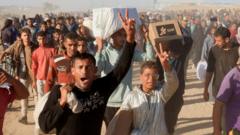
More than 130 charitable organizations have united in a call for the immediate shutdown of the Gaza Humanitarian Foundation (GHF), an entity backed by the US and Israel. This appeal comes in light of alarming reports that over 500 Palestinians have lost their lives seeking aid since GHF began operations in late May, during Israel's severe three-month blockade of Gaza. The repercussions of this aid distribution strategy have injured nearly 4,000 additional individuals.Leading the charge are prominent NGOs such as Oxfam, Save the Children, and Amnesty International, which claim that Israeli forces and armed factions routinely fire upon Palestinians in pursuit of humanitarian aid. In stark contrast, Israel maintains that its soldiers do not intentionally target aid recipients and emphasizes the necessity of the GHF system as a means to deliver assistance directly, sidestepping Hamas interference.In a poignant joint statement, these organizations have criticized GHF’s methodology, arguing that it contravenes fundamental principles of humanitarian aid. They assert that the aid structure has confined two million Gazans to overcrowded, heavily militarized areas, subjecting them to regular gunfire. Numerous reports from medics and the Hamas-led health ministry indicate that the GHF's aid distribution points have seen frequent fatal encounters.The GHF replaced a network of 400 aid sites that functioned during a temporary ceasefire, reducing it to just four military-controlled locations: three situated in extreme southwestern Gaza and one in central Gaza. As described in the outcry from the NGO coalition, the present situation forces Gaza residents into a heartbreaking dilemma: either face starvation or risk injury or death in their quest for food.The situation has fostered a humanitarian crisis, exacerbating the plight of vulnerable individuals, including orphans, with children being injured in over half of the documented assaults. UN agencies have echoed these concerns, with Secretary-General Antonio Guterres referring to the GHF plan as "inherently unsafe" since its inception. The UN previously denounced GHF’s approach, citing concerns over the militarization of aid and the dangers presented to Gazans who must navigate perilous routes to obtain basic necessities.Despite these serious allegations, including claims by unnamed IDF soldiers asserting orders to disperse unarmed civilians at GHF sites through gunfire, Israeli Prime Minister Benjamin Netanyahu has categorically rejected such accusations, branding them as "malicious falsehoods". The IDF has signaled that they are probing into instances of civilian harm reported at GHF distribution centers. As part of their operational response, changes to site access, including new fencing and signage, are in the works.The coalition of NGOs has condemned GHF’s operations as inadequate humanitarian responses to the ongoing crisis. They report that amidst dire scarcity and famine-like conditions, families find themselves too weakened to vie for the limited rations available. As the situation evolves, the deeply contested aid distribution methods are under an escalating spotlight, raising urgent questions about the future of humanitarian assistance in Gaza.