
In brief
In the Northern Territory, crocodile rangers tackle rising populations of saltwater crocodiles, balancing safety with conservation.
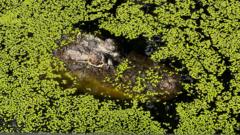
Australia's Northern Territory (NT) has seen a remarkable recovery of saltwater crocodiles after a near extinction that saw their numbers dip to just 3,000 due to rampant hunting for their skins following WWII. Today, the wild saltwater crocodile population is estimated at around 100,000, and with that abundance comes the challenge of managing their presence in urban areas like Darwin. Government ranger Kelly Ewin, whose role involves capturing and removing crocodiles, describes the thrilling yet dangerous task during breeding season, which has prompted increased crocodile activity.Given their protected status and territorial, aggressive nature, Ewin and his team frequently check traps placed around the city to ensure public safety as swimming and fishing activities ensue. Though fatal encounters are rare, each incident reignites debates over how to manage crocodile populations. After a tragic incident involving a young girl, local officials are weighing options, including a recently approved 10-year crocodile management plan that raises the annual culling limit significantly.Despite conservation efforts bolstering crocodile numbers, the tourism associated with these apex predators is flourishing, drawing visitors for experiences like "croc jumping" on the Adelaide River. This tourism, combined with a burgeoning crocodile farming industry aimed at luxury fashion markets, complicates discussions about their management. Advocates highlight the economic benefits, particularly for Indigenous communities, while animal welfare advocates raise concerns about the treatment of these creatures in captivity.The conversation surrounding crocodiles in the NT is multifaceted, involving safety, conservation, and economic interests, as mixed emotions and drastic tales from those living alongside them fuel dialogues about their future coexistence with humans.


