In brief
As Auschwitz commemorates its 80th anniversary since liberation, four survivors share harrowing recollections of terror and loss, reminding the world of the consequences of hatred and intolerance.
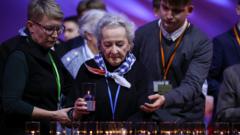
In a poignant gathering at Auschwitz, survivors recounted their grim experiences while honoring the memory of the 1.1 million lives lost at this dark chapter in history. Leon Weintraub, the eldest survivor at 99, passionately called on the younger generation to remain aware of the dangers posed by intolerance, stating, "We were stripped of all humanity." This gathering drew world leaders and royalty, who convened to pay homage to those who perished during the Holocaust.Tova Friedman, who was just five years old during the Nazi atrocities, vividly recollected the moment she witnessed her friends being rounded up for death, emphasizing that such horrors occur amidst a moral void. Other survivors, including Janina Iwanska, 94, provided insights into the horrors inflicted by the Nazis, including the fate of the Roma people at the hands of infamous camp doctor Josef Mengele.Piotr Cywinski, director of the Auschwitz museum, reiterated the essential need to preserve the memory of the Holocaust as the number of living witnesses diminishes. Speaking to the attendees, Polish President Andrzej Duda emphasized Poland's role in safeguarding the legacy of the six death camps established on its soil during the war.The ceremony saw global leaders including King Charles III, who became the first British monarch to visit Auschwitz, reflect on the profound task of remembering past evils. He remarked that fostering a kinder world is the "sacred task of us all." Concerns over the rise of Holocaust denial and growing intolerance were echoed in statements from world leaders and organizations, underscoring the importance of remembrance ceremonies in combating hate. Existing surveys indicate a troubling belief that a similar tragedy could repeat, particularly in the United States and the United Kingdom.With the voices of survivors fading from history, the need to remember the Holocaust and learn from it becomes ever more urgent as our collective conscience wrestles with the terrors of the past.