In brief
Despite early foreign arrivals, the regime cites a "temporary" ban on outside visitors to boost internal tourism.
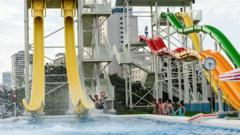
North Korea has made an unexpected decision to stop foreign tourists from visiting its newly inaugurated seaside resort, the Wonsan Kalma Coastal Tourist Zone. Officially opened on July 1, this resort was initially highlighted by North Korean leader Kim Jong Un as a crucial element in promoting tourism within the country. Marketing efforts leading up to the grand opening attempted to appeal to an international audience alongside locals. However, an update on North Korea’s tourism website this week announced that foreign visitors are currently barred from accessing the site, described as a temporary measure.This development follows the reported arrival of the first Russian tourists just last week, coinciding with a visit from Russian Foreign Minister Sergei Lavrov, who endorsed the seaside facility as an appealing holiday destination for Russians. Lavrov's remarks indicated optimism about a potential increase in Russian visitors, especially with plans for direct flights between Moscow and Pyongyang set to begin later this month.Wonsan, located on the east coast of North Korea, is strategically significant, housing several missile facilities and a large maritime complex. It's also a nostalgic location for Kim Jong Un, who spent part of his upbringing nearby historic holiday villas of North Korean elites. The extensive beachfront resort spans 4 kilometers (approximately 2.5 miles) and is outfitted with hotels, restaurants, shopping areas, and a water park, accommodating up to 20,000 guests, according to state media reports.However, the construction of this resort, ongoing since 2018, has faced scrutiny from human rights organizations, which have highlighted reports of harsh working conditions, long hours, and inadequate payment for workers involved in the project.Though North Korea permitted Russian tourism to restart after a pandemic-related suspension last year, and had earlier welcomed tourists from the West—including Australia, France, Germany, and the UK—this newly enforced restriction raises questions about the future of foreign tourism in the regime. Notably, previous attempts to re-open international tourism were abruptly cut short without explanation shortly after being initiated.