In brief
Pope Francis, the first pope from Latin America, has left an indelible mark on the Catholic Church since his elevation in 2013. Known for his humility and focus on social justice, he faced challenges from traditionalists and criticisms regarding his handling of clerical abuse. Despite health issues and opposition, he worked towards a more inclusive and global Church, prioritizing outreach to the poor and fostering interfaith dialogue.
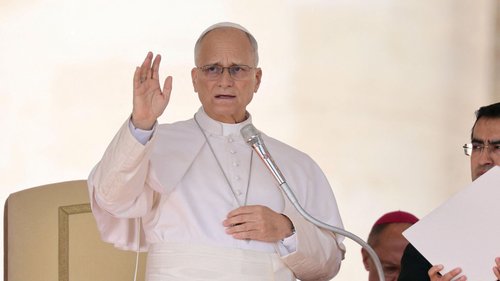
Pope Francis, renowned for his historic election as the first pope from the Americas and the Southern Hemisphere, has changed the face of the Catholic Church since ascending to the papacy in 2013. His predecessor, Benedict XVI, made history by being the first pope to resign in nearly 600 years, paving the way for Francis, a compromise candidate, who managed to resonate with both conservative and reformist factions within the Church.From his first days in the Vatican, Francis, born Jorge Mario Bergoglio in Buenos Aires in 1936, broke from tradition, opting for a simple lifestyle. He emphasized humility over pompous displays of power, often opting to travel without the lavish papal limousine and making symbolic gestures, like sharing buses with cardinals. His commitment to social justice and support for the marginalized earned him admiration but also pushed against the entrenched bureaucracy within the Vatican.Throughout his papacy, Francis attempted to foster ecumenical relations, making strides towards healing the rift with the Eastern Orthodox Church, and facilitating diplomatic discourse between conflicting parties, including uniting Israeli and Palestinian leaders for prayers of peace. Despite his progressive rhetoric, he maintained traditionalist stances on issues like euthanasia, abortion, and same-sex marriage, drawing mixed reactions from every segment of the Catholic population.The 86-year-old pontiff encountered internal conflicts regarding his perceived inaction against clergy sexual abuse scandals. He faced significant criticism especially from conservative members who feared he was diluting essential doctrines. The outbreak of the COVID-19 pandemic further complicated the scenario as he focused on public health, urging vaccination as a moral obligation.As a voice of moral authority, Francis continued advocating for the poor and marginalized, leveraging his position to challenge worldly injustices. He remained a vocal critic of war, calling for peace in conflict areas like South Sudan and Ukraine. Despite deteriorating health culminating in multiple hospitalizations, including a significant stay due to pneumonia, he has remained dedicated to his mission.Ultimately, his legacy appears multifaceted: he transformed the Church’s global perspective by elevating cardinals from non-European countries, directed attention towards socio-economic inequalities, and consistently invoked a sense of communal responsibility among the faithful. Pope Francis has envisioned a Church that actively engages with the world, compelling it to embrace vulnerability and service over self-aggrandizement.