In brief
Revitalization efforts, coupled with grassroots initiatives, suggest a promising turnaround for this once-dangerous city, now gearing up for global recognition.
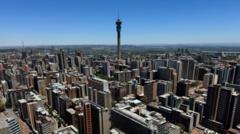
Johannesburg, once notorious for its high crime rates, is experiencing a remarkable revival, highlighted by the transformation of Ponte Tower. Built in 1975, the tower was the tallest residential building in Africa and became a symbol of urban decay in the 1980s after it fell victim to criminal gangs, attracting trash and illicit activity. "At one point, the building was filled with rubbish up to 50m deep," says Delight Sithole, who conducts tours of the now-revitalized landmark. However, beginning around 15 years ago, the Fifa World Cup acted as a catalyst for change, encouraging people to return. Following the pandemic, the tower has reached about 75% occupancy, demonstrating a renewed interest in urban living.While crime remains an issue, recent statistics indicate some improvements. Residents still face challenges, including ongoing power cuts and a burgeoning water crisis. A tragic fire in the Central Business District that claimed nearly 80 lives exposed issues with hijacked buildings that have fallen into disarray. Yet, a property company named Ithemba (Zulu for "hope") is actively working to revitalize certain neighborhoods. Alan Tait, a senior manager at Ithemba, noted strong demand for urban living, with the company planning to double its leased properties in the next couple of years.In areas like Jewel City, evidence of revitalization is tangible. Ithemba launched this project to restore Sparkle to Johannesburg's original diamond district, braving initial struggles exacerbated by Covid. As the economy opens up, Jewel City has witnessed rapid tenancies. Community initiatives such as JoziMyJozi are also contributing to the city's resurgence by addressing critical issues, including improving lighting along dark areas, tackling homelessness, and repairing infrastructure.Bea Swanepoel, CEO of JoziMyJozi, believes in creating a safe, thriving environment for Johannesburg's residents. The organization launched impactful projects aimed at restoring faith in the city, aspiring to position Johannesburg among notable global cities. "The ambition is definitely there," she states, citing the G20 summit scheduled for later this year as a potential avenue for increased investment and international attention.As locals like Sifiso Zikhali from Dlala Nje witness the changing landscape from the heights of Ponte Tower, the current trajectory suggests the city is poised for further growth. “This is our city, and whatever we face, we need to find a solution,” Zikhali muses, reflecting a collective hope that Johannesburg's renaissance is only just beginning.