In brief
A British archaeologist believes his team has discovered a second tomb belonging to King Thutmose II in Egypt, following closely on the heels of another significant find. The potential tomb is located beneath a man-made structure in the Western Valleys of the Theban Necropolis, and the search for it continues despite challenges in excavation.
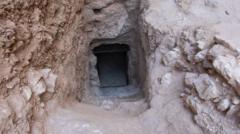
A British archaeologist claims that his team might have unearthed a second tomb in Egypt linked to King Thutmose II, following a recent significant discovery made by Piers Litherland. This potential find comes just days after Litherland's announcement regarding the first tomb discovery in over a hundred years since King Tutankhamun's burial site was found.Litherland has conjectured that the newly identified site could contain the preserved remains of the pharaoh himself. Archaeologists theorize that Thutmose II's original tomb was vacated shortly after his burial, reportedly inundated by a flood, and later relocated to this newly suspected site.The New Kingdom Research Foundation, led by Litherland, believes this second tomb may lie beneath a large artificial structure composed of limestone, ash, rubble, and mud plaster, cleverly crafted by ancient Egyptians to mimic the appearance of a natural mountain. This site is located in the Western Valleys of the Theban Necropolis, situated near Luxor.The first tomb's discovery occurred behind a waterfall, and it is believed to have succumbed to flooding. While searching for the initial burial site, Egyptologists also uncovered a posthumous inscription suggesting that Thutmose II's wife, Hatshepsut, may have moved the contents to a nearby location. Currently, the British-Egyptian team is carefully excavating the second burial site by hand due to safety concerns with tunneling efforts."We should be able to take the whole thing down in about another month," Mr. Litherland remarked about their progress. The team, which had previously located Thutmose II's tomb in proximity to royal women's burial sites, was surprised to find decorations inside the burial chamber that signified its royal origins.The ceiling features a blue paint adorned with yellow stars—a motif exclusively associated with kings' tombs. Litherland expressed his awe at the discovery, describing the emotional turmoil that accompanies uncovering unexpected historical treasures.Thutmose II, notable for being married to Queen Hatshepsut, one of Egypt's most celebrated pharaohs, is also recognized as an ancestor of Tutankhamun, who is believed to have reigned from approximately 1493 to 1479 BC. Notably, Tutankhamun's tomb was discovered by British archaeologists in 1922, marking a milestone event in Egyptology.