In brief
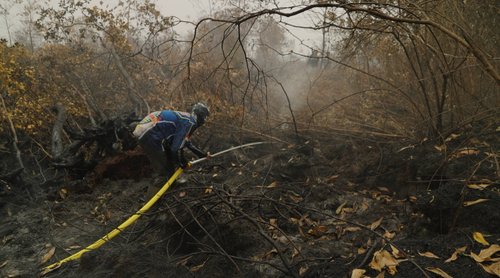
The southeastern region of South Korea continues to grapple with the largest recorded wildfires, now entering their seventh day.
South Korea is currently facing its largest wildfires on record, which have claimed the lives of at least 27 individuals and forced the evacuation of approximately 37,000 residents. The wildfires, driven by severe dry and windy weather, have scorched over 88,000 acres of land. Firefighters, soldiers, and heritage workers are working tirelessly to rescue people and protect ancient treasures in the path of the flames.Among the most affected areas is Euiseong County, where the massive blaze is only partially contained. Two historic Buddhist temples that have stood for over a millennium were tragically lost to the inferno. Reports indicate that nearly two dozen culturally significant sites, including buildings, trees, and statues, have also succumbed to the fires, according to the Korea Heritage Service.Efforts to save what remains of the country’s heritage have seen about 750 personnel deployed to the region. They focus on safeguarding remaining relics, especially around Hahoe Village, a UNESCO Cultural Heritage site. Some structures have survived; for instance, the main building of Gounsa Temple has endured, though many surrounding structures were destroyed. The horror of the wildfires is further illustrated by the destruction of a 9th-century Buddha statue and a cherished 400-year-old tree entrusted with guarding a local village, both now reduced to ashes. The priority for both officials and community members remains on ensuring the safety of people while preserving as much historical and cultural heritage as possible in this dire situation.