
In brief
In Nigeria, 22-year-old Babatunde Fashola, affectionately called Baba, is a poignant representative of the nation's struggles with cerebral palsy, a condition affecting many due to neonatal jaundice. Baba, who has needed care since infancy, was abandoned by his parents and ten years ago found solace in the Cerebral Palsy Centre in Lagos, where he receives critical support and treatment. According to estimates from health professionals, over 600,000 Nigerians suffer from cerebral palsy, often resulting from the lack of immediate treatment for neonatal jaundice—an ailment that affects more than 60% of newborns.
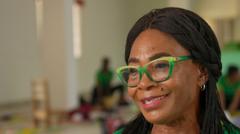
Cerebral Palsy Centre founder Nonye Nweke established the facility after her daughter Zimuzo was diagnosed with the condition. The center, which serves twelve children in a nurturing environment, faces a crucial shortage of funding and resources, with many children on a waiting list desperately seeking help. Misconceptions surrounding disabilities often stigmatize children with conditions like cerebral palsy, leading to abandonment in some cases.Recent initiatives like the Oscar Project aim to improve awareness and access to treatment for neonatal jaundice in Nigeria. The project, backed by consumer health firm Reckitt, plans to screen thousands of infants and train healthcare workers in effective treatment protocols, tackling the root causes of childhood neurological disorders. Though challenges remain daunting in Africa's most populous nation, advocates remain steadfast in their commitment to change and provide hope for affected families.


