In brief
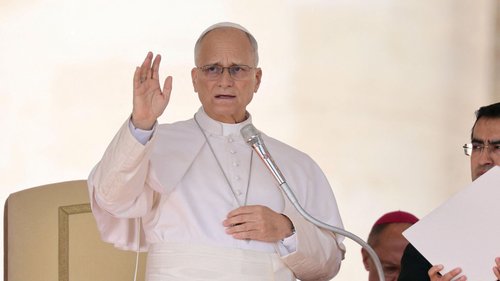
Pope Leo XIV's recent elevation as the first American-born pope has brought joy to many Catholics around the world, particularly those of African descent who feel a deep connection to his Creole roots.
Pope Leo XIV made headlines on May 9, 2025, when he stepped onto the balcony of St. Peter’s Basilica as the new leader of the Catholic Church. The sight of him sparked a wave of excitement among Catholics, particularly those of African heritage. Father Lawrence Ndlovu from Johannesburg expressed his astonishment, noting that the new pope didn’t fit the traditional image of a pontiff. “You’re not the classical white sort of person,” he observed, yet he recognized a shared cultural connection. The revelation of Pope Leo’s ancestry, partially tracing back to Creole families in New Orleans, has not only excited individuals like Father Ndlovu but also resonated deeply with Catholics worldwide. Many see him as a representative of their cultures and stories. “He’s not foreign to us,” Father Ndlovu emphasized. “There is a part of him that is also us.”While the specifics surrounding the pope’s racial background remain somewhat unclear, genealogical records indicate that his maternal grandfather had roots in the Dominican Republic, "Hayti," or Louisiana, with descriptions labeling him as Black or mulatto. Moreover, experts such as Edwin Espinal Hernández from the Dominican Republic have suggested connections to Port-au-Prince, Haiti, further illustrating the rich tapestry of Leo XIV’s heritage. As the global Catholic community reflects on this historic moment, many hope that Pope Leo XIV will champion causes that resonate deeply with people of color, forging a more inclusive path within the Church.