
In brief
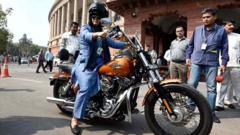
India has slashed motorcycle import duties in a bid to appease Trump and avoid trade pressures, with broader implications for US-India relations.
India is on high alert as former President Donald Trump reasserts his trade policy priorities, raising questions about the future of bilateral trade with the US. Recently, India reduced import tariffs on heavyweight motorcycles, notably those from Harley Davidson, cutting duties from 50% to 30%. This move is seen as a proactive measure to facilitate Harley's market entry into India while attempting to deter possible US tariffs. Last year's exports of US motorcycles to India were valued at approximately $3 million.With Trump back at the helm, analysts warn that India could face similar pressure as Canada and Mexico did during his first term. Ajay Srivastava, from the Global Trade Research Institute, noted the dangers of being perceived as vulnerable to US tariffs if Trump elevates trade discussions. Historically critical of India's tariff structure, Trump has labeled the country a "tariff king," focusing on high import duties that hinder trade. Nonetheless, India currently enjoys a trade surplus with the US, with bilateral trade exceeding $190 billion in 2023. India’s merchandise exports have seen a 40% rise since 2018, highlighting the growing economic ties despite ongoing tensions.In addition to motorcycle tariffs, India has made significant reductions in other import duties. Notably, it has eliminated import taxes on satellite installations and significantly lowered tariffs on synthetic flavoring essences and aquaculture feed, creating further opportunities for US exporters. The diverse range of Indian exports, which include pharmaceuticals, textiles, and machinery, underscores its integration into the global trade system.India’s historical protectionism has evolved since it began liberalizing its economy in the 1990s. However, recent developments indicate a potential return to higher tariffs, attributed to Prime Minister Modi's "Make in India" initiative. This stirs concerns that India may become an increasing target for Trump’s "America First" policy, particularly given ongoing disputes over agricultural market access.The recent lifting of retaliatory tariffs on several US agricultural products signifies India’s willingness to negotiate, but domestic farming sensitivities could complicate future discussions. As Trump’s administration continues to seek improved trade balances, India's strategic partnership with the US remains crucial, with hopes that it may cushion some of the potential fallout from Trump's tariff strategies.Experts anticipate that clarity will emerge regarding the US-India trade relationship during Modi’s anticipated White House visit, which could provide a platform for further discussions about trade issues during tumultuous times.


