In brief
With over 150,000 people evacuated from recent LA wildfires, many Californians like Christina Welch and Jamie Beck Alexander are relocating to cities like Duluth, Minnesota, seeking safety from climate change. Experts warn higher migration trends are possible but preparation is necessary for these "climate havens" to accommodate them.
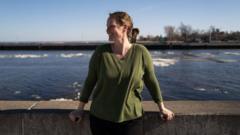
Christina Welch vividly recalls the Tubbs fire's devastation that prompted her out of California, a state grappling with increasing wildfires and climate-related disasters. The 42-year-old was forced to evacuate her Santa Rosa home in 2017 as ashes fell like snow. Following the destructive Kincade wildfire in 2019, Welch decided enough was enough. She packed her life into a car and relocated to Duluth, Minnesota, in search of safety. Similarly, the recent wildfires in Los Angeles, which killed 25 people, continue to force evacuations of thousands more. Experts note while mass migrations are yet to materialize, the state’s population growth has declined since 2000 due to factors like wildfires and flooding. Climate experts predict as fires become more intense, more people may leave, thus forcing cities like Duluth to prepare for an influx of new residents.Welch isn't alone; many have fled from California to areas deemed “climate havens.” Duluth, located near the Great Lakes, has attracted families like Jamie Beck Alexander's, who left California after experiencing three harrowing wildfire seasons. The allure of a secure freshwater supply among climate crises acts as a magnet for those seeking refuge.Nevertheless, as cities across the Great Lakes and in other regions label themselves as climate havens, many lack necessary resources to adapt and accommodate new residents properly. Local governments may struggle with housing shortages, even as new populations swarm in. Some experts like Jeremy Porter caution that while growth in these areas exists, local infrastructure and planning do not yet match the potential upcoming demand.The narrative surrounding climate havens faces scrutiny, as even places in the Great Lakes have experienced issues like Canadian wildfire smoke filtering into Duluth, highlighting the pervasive reach of climate stress. Kelsey Lahr's relocation to Asheville, North Carolina, also challenges the notion of perfect climate refuges. Despite her initial choice for safety during California's disasters, she faced the aftermath of a devastating hurricane in her new home, leading her to question the reality of climate havens.As climate change tightens its grip, stories of migration and refuge continue to emerge, hinting at an evolving landscape where no place may remain untouched. Lahr reflects on her experience with a sense of cautious acceptance, stating that “climate havens” may be a myth; understanding risk in place matters more than simply relocating. Until a broader solution exists, Californians continue to navigate their own paths amid the growing urgency of climate adaptation.