In brief
Despite Trump's claims, data suggests limited evidence supporting his accusation against Canada regarding Fentanyl.
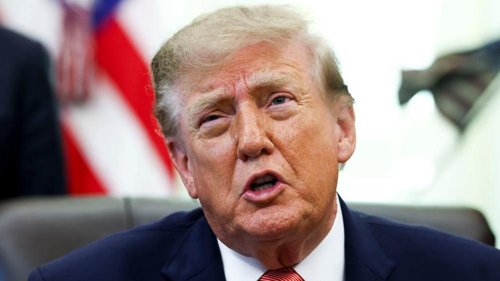
As the drug crisis intensifies, President Trump has recently intensified accusations against Canada, alleging its significant role in the ongoing Fentanyl epidemic that plagues the United States. In a press conference shortly after his inauguration, Trump stated, “The fentanyl coming through Canada is massive,” drawing parallels with Mexico’s drug trafficking issues. He claimed both neighboring countries were inadequately securing their borders against narcotics and illegal migrants. Trump's comments coincided with a significant drug bust by Toronto police, who revealed a record cocaine seizure at the U.S.-Canada border. During the same period, Trump threatened to impose a hefty 25-percent tariff on exports from both Canada and Mexico to pressure them into tighter border enforcement. At his confirmation hearing, Howard Lutnick, the nominee for commerce secretary, echoed Trump’s stance, urging Canada to enhance its border security as a show of respect towards the U.S., America’s largest trading partner. In response, the Canadian government has ramped up surveillance efforts at the border through the deployment of drones, canine units, and helicopters. However, these measures have reportedly done little to alleviate tensions between the two nations. Despite assurances from Prime Minister Justin Trudeau, Trump's administration remains unconvinced and continues to place the blame for the Fentanyl crisis, heavily impacting American communities, on Canada's shoulders.