In brief
Air quality in Delhi has reached alarming levels, with pollution measurements soaring to 1,500, leading to severe health concerns.
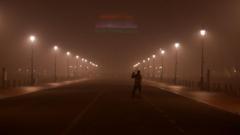
Air pollution in the Indian capital of Delhi has surged to critical levels, creating a choking smog that blankets the city. On Monday, pollution levels peaked at an astonishing 1,500 according to IQAir, which is an alarming 15 times higher than the World Health Organization's (WHO) safety threshold for breathable air. The hazardous conditions have resulted in disruptions to flight services and prompted officials to implement emergency measures such as closing schools, banning construction activities, and restricting non-essential trucks from entering the city.This crisis follows a similar air quality disaster in Lahore, Pakistan, just weeks earlier, where pollution levels also skyrocketed past 1,000. Experts warn that without stringent interventions, the air quality in Delhi might deteriorate even further in the coming days. With an Air Quality Index (AQI) reading surpassing 450 in the early hours of Monday, the pollution control authority deemed the situation as “severe plus.” In response to the dire air quality, the Delhi government has enforced several measures, including mandating that 50% of office staff work from home, and outlawing the use of coal and firewood, alongside diesel generators for non-essential services. Historical patterns reveal that from October to January, Delhi, along with northern states and areas of Pakistan, faces significant air quality degradation primarily due to crop stubble burning, vehicular emissions, and atmospheric conditions that worsen pollution.Delhi Chief Minister Atishi highlighted the ongoing “medical emergency” stemming from unchecked stubble burning in neighboring states such as Haryana, Uttar Pradesh, and Bihar. Political blame has been exchanged, with the ruling Bharatiya Janata Party (BJP) accusing the Aam Aadmi Party (AAP) of failing to combat pollution effectively.Meanwhile, the city's residents are expressing their health concerns on social media. One individual described waking up with a painful throat, noting that even two air purifiers couldn’t improve the indoor air quality. Another user called for a mass protest, reflecting the desperation and frustration over the ongoing crisis, labeling the air as "lethally toxic." As the situation evolves, residents and officials alike are calling for immediate action to combat one of the most severe environmental emergencies facing the city.