
In brief
WHO officials, including Dr. Tedros Adhanom Ghebreyesus, express concern over the extensive freeze on US international aid, particularly in initiatives combating diseases like HIV, polio, and more, impacting fifty nations.
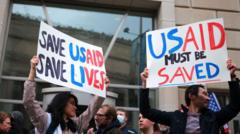
The World Health Organization (WHO) has declared that a suspension of aid from the United States is severely affecting health programs in fifty countries. This announcement was made by WHO chief Dr. Tedros Adhanom Ghebreyesus during a virtual press briefing. U.S. President Donald Trump has initiated a significant scaling down of the United States Agency for International Development (USAID), claiming that its funding practices are "totally unexplainable." Dr. Tedros highlighted how these cuts, especially the halting of the President's Emergency Plan for AIDS Relief (PEPFAR), have led to a cessation of essential HIV treatments, testing, and preventative services. Clinics across multiple nations are reportedly closing, with health workers either laid off or placed on leave due to the loss of funding. Global health experts are voicing alarm, predicting potential disease outbreaks and hindered progress in vaccine and treatment development as a direct consequence of the financial withdrawals. Trump has accused USAID of being inept and corrupt, reducing its workforce drastically, and announcing immediate cuts to nearly all aid programs. Currently, USAID allocates about $40 billion each year towards humanitarian efforts and health programs predominantly in sub-Saharan Africa, Asia, and Europe, with substantial contributions directed to Ukraine.Notably, tech entrepreneur Elon Musk has also criticized the agency as a "criminal organization," although specifics supporting such statements have not been provided. Tensions have escalated with Trump's decision to reduce U.S. collaboration with the WHO, which, under the previous administration, had received almost one-fifth of its funding from the U.S., leaving it with reduced capacity to tackle global health issues. Dr. Tedros explained that the WHO is employing emergency measures to address shortages in life-saving medications, such as antiretrovirals for people living with HIV. However, WHO officials indicate that a more sustainable, long-term solution is required, emphasizing the need for coordinated international support to share medical resources effectively among countries.

