In brief
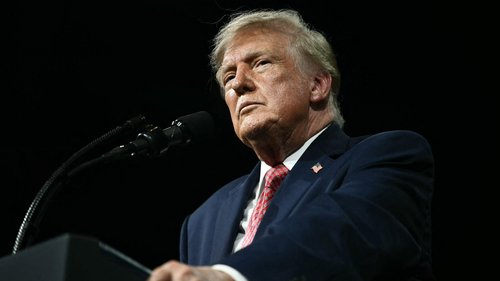
In the wake of Donald Trump's election as the U.S. president, financing climate change initiatives has become an increasingly contentious issue. Global climate talks in Baku, Azerbaijan, have highlighted critical questions around funding: How much is needed, where will it come from, and what will it be used for? With low-income countries requiring at least $1 trillion annually to manage climate impacts, the situation has grown dire, especially as the resources of wealthier nations, who are expected to assist, dwindle due to pandemic pressures, inflation, and conflicts.
Trump's election sets a dim prospect for international cooperation, mirroring his prior stance of withdrawing from global climate agreements. This shift raises alarms among climate advocates, as the absence of financial support from the U.S. threatens to undermine global climate efforts. Past attempts to raise money through donor pledges have proven ineffective, exemplified by a 2009 commitment where rich nations failed to deliver the promised $100 billion a year by 2020, mainly offering loans rather than grants to already indebted countries.Innovative strategies are on the table to bridge financing gaps, including tax implementations, debt restructuring, and enhanced operations by international development banks. However, the execution of these proposals faces formidable barriers, and the traditional fundraising routes appear insufficient. As the global community grapples with these challenges, the ability to fund necessary climate actions remains in jeopardy, highlighting a crucial crossroads for both affected nations and the international community at large.