In brief
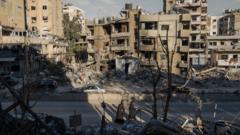
In southern Beirut’s Dahieh suburb, the impact of heavy bombing during the recent conflict with Israel has left business owners devastated, both emotionally and financially. Many local shops and warehouses have been destroyed, including Imad Abdelhak's car parts dealership, which was leveled by a direct strike. Similarly, Ibrahim Mortada, who owned a garage for 23 years, is facing loss estimates of $20,000 and worries about his future. With the recent ceasefire holding, attention turns to recovery efforts, particularly as Hezbollah vows to assist those affected financially. Business owners await assessments of their damaged properties, but support from both local authorities and the international community remains uncertain, raising questions about long-term recovery. Estimates suggest that the economic toll could reach $8.5 billion, exacerbating existing financial crises in Lebanon.
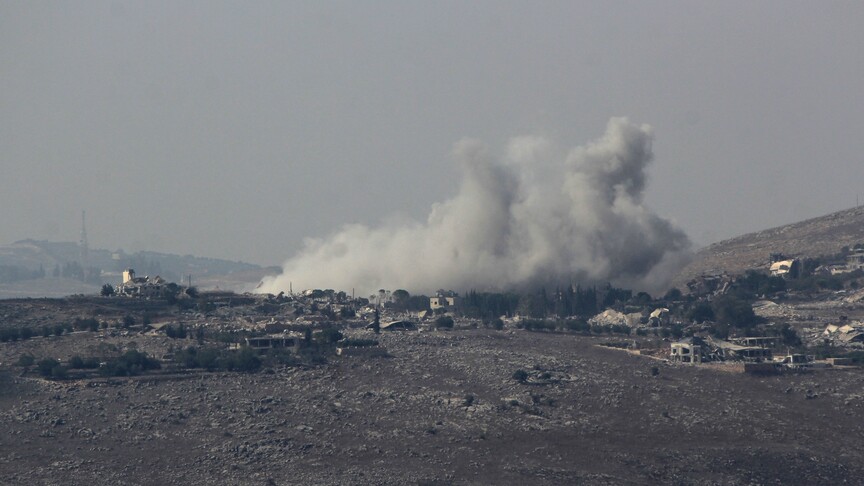
Wedged into the wreckage of a three-story building in southern Beirut is a rusted sign that read "Spare parts. Jeep Cherokee," a sole remnant of a busy car dealership now reduced to rubble. “We never expected to be targeted,” said Imad Abdelhak, reflecting on the destruction from Israeli airstrikes in Dahieh, an area tightly associated with Hezbollah. His garage survived, but its future remains precarious, subject to the structural assessment that will determine whether it must also be demolished. The impact of the recent conflict has rippled throughout Lebanon, leaving entrepreneurs like Ibrahim Mortada reeling from losses that have stripped them of their income sources. “I have lost $20,000 and my only source of income,” said Mortada, standing amidst the debris of his garage which will also be evaluated for safety. The despair is palpable, as Mortada, who has operated in this area for over two decades, admits he is now relying on faith. With Hezbollah poised to roll out damage assessments and financial aid, many are left waiting. In Nabatieh, a city that bears the scars of conflict, shop owners like Niran Ali stand amongst the ashes of their businesses, hoping for timely help. The powerful group is expected to provide cash assistance for rent and rebuilding, but other forms of aid from the government remain sparse. As Jalal Nasser surveys the wreckage of his coffee shop and restaurant, he grapples with an estimated loss of $250,000, raising the question of where reconstruction funds will originate. The World Bank highlights that the total economic damage could exceed $8.5 billion, compounding Lebanon's existing financial struggles dating back to 2019. Past conflicts saw significant influxes of international aid, but uncertainty looms regarding future support.The widespread destruction, which Lebanese officials have termed "urbicide," has prompted concern from international observers, stressing the need for substantial rebuilding efforts. The scale of devastation is unprecedented according to local business owners, and with promises of assistance yet to be realized, Lebanon's path to recovery appears daunting.