In brief
The International Atomic Energy Agency (IAEA) reports stable conditions at Iran's nuclear facilities following Israeli attacks, indicating that no further damage was recorded at the Natanz site, while Iran maintains its nuclear program is intended for peaceful purposes.
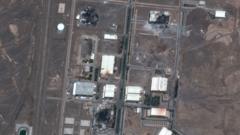
The head of the International Atomic Energy Agency (IAEA), Rafael Grossi, informed member states during a Vienna meeting that there has been no additional damage to Iran’s Natanz uranium enrichment facility following the Israeli strikes on Friday. Grossi reported that while an above-ground enrichment facility was destroyed, the underground structure remains intact.Four buildings at the Isfahan nuclear site sustained damage, including a uranium conversion plant; however, the underground Fordo enrichment plant showed no signs of damage. Israel has claimed responsibility for the attacks, stating the strikes were necessary to prevent Iran from advancing its nuclear weapons program. Israeli officials suggested that Iran has recently taken significant steps towards weaponizing its enriched uranium stockpile.In response, Iran asserted its nuclear ambitions are peaceful and called on the IAEA's board to condemn Israel’s aggressive actions. Grossi confirmed that the IAEA has been closely monitoring the situation, assessing the impacts on Iran’s nuclear infrastructure and radiation levels through cooperation with local agencies.The pilot plant at Natanz, which had been enriching uranium to near 60% purity—just below the 90% threshold needed for weapons-grade material—was significantly affected by the attack, losing crucial electricity supply systems. Although no signs of physical damage were seen at the underground portion of the facility, the power loss may have compromised some centrifuges.Despite allegations from the Israeli military regarding damage to underground facilities, Grossi maintained that no evidence supported these claims. The radiation levels outside the affected sites remain normal, alleviating immediate concerns about radiological contamination.Grossi also noted that the Isfahan facility experienced damage during the strikes, which reportedly dismantled key capabilities related to metallic uranium production. Nonetheless, similar to Natanz, off-site radiation levels remain unchanged.Iran's Foreign Minister condemned the Israeli assaults, labeling them as a violation of international law and asserting that the nation responded with missile strikes. The Israeli military has stated that its extensive air campaigns will continue in efforts to neutralize perceived threats from Iran’s nuclear program.Tensions have further escalated, with reports indicating the Israeli strikes have resulted in over 220 fatalities in Iran, alongside 24 Israeli deaths attributed to Iranian missile retaliation. The situation developed amid tensions surrounding Iran’s nuclear compliance, especially after the IAEA declared Iran in breach of non-proliferation obligations for the first time in two decades.The nuclear deal established in 2015, which limited Iran’s uranium enrichment activities, was considerably undermined after the United States withdrew from the agreement in 2018. In retaliation, Iran began to exceed those restrictions, prompting growing concerns within the international community over its nuclear capabilities.