
In brief
China’s ambitious AI initiatives are reshaping industries and education while facing global skepticism regarding data privacy and national security.
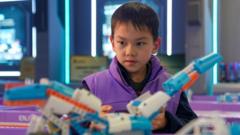
China is in the midst of an AI boom, and it's visible in homes, classrooms, and factories. In a Beijing apartment, young Timmy is engaged in a chess match with his AI-powered robot friend, which doubles as both a teacher and a playmate. The introduction of such robot companions highlights the nation's rapid adoption of artificial intelligence in everyday life. China aims to cement its status as a tech superpower by 2030, with more than 4,500 AI firms vying for attention and funding. The ambition was given momentum with projects like DeepSeek—a cutting-edge Chinese chatbot that marked a significant achievement in the country's ambitions. Schools in Beijing plan to roll out AI courses for young students in an initiative expected to enhance tech literacy, while universities expand seats for AI-focused degrees.Timmy’s mother, Yan Xue, expresses optimism about early exposure to AI for her son, seeing it as essential for the future. She invested in the chess robot, priced at $800, believing it to be a worthwhile educational tool. This aligns with the government’s strategy, which designated AI as a core driver of national progress in a 2017 declaration by the Communist Party.As China’s economy faces challenges—including tariffs from the U.S.—the government multiplies its investment in AI, with recent pledges totaling 10 trillion yuan (approximately $1.4 trillion) over the next 15 years. This move follows an immediate 60 billion yuan AI fund created amid tightening U.S. export controls.Innovation is prevalent, with companies like SenseRobot emerging as key players. Their chess-playing robots have gained international traction, surprising many parents who expect such innovations from Western countries. SenseRobot has sold over 100,000 units, even securing contracts with major retailers like Costco.China's educational system plays a crucial role in this technological race—over 3.5 million students graduated in STEM fields in 2020, vastly exceeding the numbers from other countries. As President Xi Jinping emphasized, a combined effort in building talent, education, and technology is vital.Despite recent successes, concerns loom regarding the implications of AI on privacy and national security. As Chinese tech firms expand globally, apprehensions arise over data handling, particularly with popular applications like TikTok and DeepSeek. National security fears factored into various nations, such as South Korea and Australia, restricting the use of these platforms.Nevertheless, the momentum of China’s AI industry, epitomized by the success of DeepSeek and its rivals—dubbed the “six little dragons”—demonstrates the country’s resilience and innovation. Experts believe the ongoing commitment to AI development could allow China to leapfrog over barriers and expand its global foothold.Looking ahead, China's AI vision combines a mix of long-term strategies and immediate adaptations. The integration of AI in manufacturing aims to reduce costs significantly while meeting rising demands. China’s goal is clear: achieve a technologically self-reliant status while navigating the complexities and challenges posed by geopolitical tensions in the world of technology.As China accelerates in the AI race, the world watches closely, balancing the excitement of innovation with the critical questions of data security and regulatory responses.


