In brief
As the trend of AI-generated doll images surges, many artists are rallying against it, fearing for their livelihoods and the integrity of creativity.
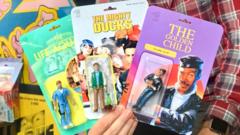
In recent weeks, a wave of artists and creatives have expressed mounting frustration with the emerging trend of using artificial intelligence (AI) to create "starter pack" images depicting individuals as dolls. This phenomenon, which has seen countless users upload personal photos to generate doll-like avatars, has sparked concerns about the potential adverse effects on artistic livelihoods, environmental sustainability, and the essence of creativity itself.Nick Lavellee, an artisan known for crafting custom action figures for six years, voiced his anxieties over the saturation of AI-generated images on social media. Describing the trend as diminishing an authentic artistic aesthetic, he stated, "People are sick of them." Lavellee’s custom figures, selling for up to $250 online through his brand Wicked Joyful, have contributed to his expanding success, which includes plans for a physical storefront in Manchester, New Hampshire. Yet, he worries that the flood of AI likenesses may dilute public appreciation for his handmade craftsmanship.The emergence of the #StarterPackNoAI campaign on platforms like Instagram, where artists have joined forces to advocate for traditional art forms, underscores the widespread apprehension within the creative community. Artist Maria Picassó Piquer articulated her motivation behind participating in the counter-trend, highlighting the distinctive human touch that differentiates original artworks from the homogenous output of AI. Meanwhile, illustrator Dav le Dessineux shared his experience of losing contracts to AI-driven artwork, emphasizing a yearning for authenticity in the craft. His depiction of a simple pencil and paper in his own starter pack encapsulated his belief that creativity stems from the most fundamental tools. Echoing this sentiment, fellow artist Eli Dibitonto described his creative process as enjoyable and liberated from the confines of traditional perfection—an experience he argues is lost with AI-generated art.Student artist Evie Joyce reflected on the time and effort that goes into creating personalized art, which she believes encapsulates the artist's experiences and emotions. She expressed concerns over AI’s potential to undermine artists by replicating their styles without acknowledgment.Despite these challenges, some artists, including Lavellee, acknowledge the utility of AI as a tool for creativity. However, they stress that it shouldn't replace the unique artistry that comes from human experiences and efforts. Henk van Ess, an expert in AI research, likened the use of AI for generating trivial content to misappropriating powerful technology for mundane purposes, arguing that the true capabilities of AI should be directed towards addressing significant world issues.In the face of these challenges, Lavellee remains hopeful for the future, asserting that genuine artistry will always hold value. By promoting the uniqueness of handmade creations, he aims to foster appreciation for his craft among consumers. "I hope that they are smart enough to understand the difference in something that I'm doing versus what is computer-generated," he concluded. As the dialogue around AI in the art realm continues, the artistic community stands united in emphasizing the irreplaceable human element in creativity.