
In brief
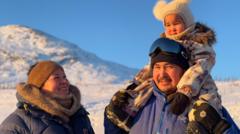
Concerns are rising in Greenland as Donald Trump's potential presidency brings forth unsettling discussions about the fate of the island. Local leaders and residents voice their steadfast resolve that Greenland is not for sale and should remain a sovereign entity.
Greenland, with its breathtaking landscapes and storied past, finds itself at the center of international intrigue following comments made by President-elect Donald Trump regarding its potential acquisition. As the sun beckons a new day over the icy fjords of Nuuk, voices from across the island convey a unified message: Greenland is not for sale.The atmosphere aboard a local fishing vessel is thick with unease amidst the usual calm of the waters. The captain, echoing sentiments shared throughout the community, states that while Trump is welcome to visit, the island "belongs to Greenlanders." The sentiment is reiterated by local elder Kaaleeraq Ringsted, who stresses the importance of preserving their way of life for future generations. "Greenland is not for sale," he insists, reflecting a deep connection to his heritage.A visit to the farm of Angutimmarik Hansen reveals similar feelings; he jokes about needing rifles for an invasion but emphasizes a serious stance against Trump's rhetoric. Hansen believes that while the U.S. can engage positively with Greenlanders, the island should not be treated as a commodity. Further complicating matters, Donald Trump Jr. recently visited Nuuk, expressing a keen interest in the island’s future. He was received warmly by some locals, although many remain cautious about the implications of their family's growing interest.In Nuuk, voices advocating for Greenland's independence are becoming more prominent, with politicians like Kuno Fencker advocating for direct negotiations with the U.S., independent from Denmark’s influence. Despite receiving significant subsidies from Denmark, leaders here note the need for strategic economic partnerships to preserve their autonomy.The local media also homogenously expresses the need for a more nuanced discussion surrounding independence that goes beyond a binary choice. Editor Maasana Egede urges more comprehensive dialogues about balancing aspirations for independence with everyday realities.Modern complexities in the relationships between Greenland, Denmark, and the U.S. are compounded by troubling historical grievances, particularly regarding past injustices suffered by indigenous people. Voices like Maliina Abelsen insist that reconciliation of these historical wounds is critical, underscoring that any future must acknowledge and heal from the past.As these discussions evolve, the clarion call from Greenland’s inhabitants is clear: the destiny of the island should be determined by its people, not by foreign interests seeking to claim a territory. The world watches closely as Greenland navigates this new chapter amid rising geopolitical tensions.


