In brief
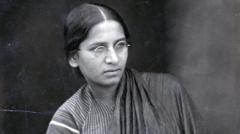
Irawati Karve's remarkable journey as India's first female anthropologist breaks societal barriers and challenges race theories during a tumultuous time in history.
Irawati Karve, born in British-ruled India, emerged as a pioneering figure in anthropology, defying societal norms and Nazi race theories. From her early life in Burma, where she was raised in a progressive household, to her pursuit of higher education in Germany, Karve’s journey was filled with challenges and triumphs. In 1927, she confronted anti-Semitism and racial ideologies under the mentorship of the influential German anthropologist Eugen Fischer, whose racist theories she boldly contradicted in her doctorate thesis. Despite Fischer's disapproval and low grading, her significant conclusions rejected racial superiority arguments, setting a scientific precedent that would later critique the unjust ideologies of the Nazis.Upon returning to India, Karve dedicated her life to anthropology, leading expeditions in rural areas to understand diverse tribal communities. Her hands-on research often saw her breaking dietary norms of her caste, engaging with people from various backgrounds, and fostering a sense of empathy and community. A key tenet of her philosophy was the belief that India belonged to everyone who lived in it, regardless of their background. Her legacy stretches beyond academia; her writings on Indian culture, particularly about the caste system, remain influential in college curricula today. Irawati Karve’s life story, as explored in the newly released book "Iru," co-authored by her granddaughter Urmilla Deshpande, is not just a historical account but a testament to courage, empathy, and progress in a time of rigid societal structures. Her narrative continues to resonate, inspiring future generations to question the status quo and embrace inclusivity and understanding. Irawati passed away in 1970, but her indomitable spirit and pioneering contributions still inspire many today.