In brief
Scientists have found a near‑perfect 15 mm hole in a Neanderthal shoulder blade, suggesting a sharpened wooden spear penetrated the chest and exited the left scapula. The wound, discovered in Shanidar Cave, Iraq, is the earliest confirmed evidence of lethal interpersonal violence with a wooden weapon. Researchers argue the spear’s trajectory implies a fatal heart shot, though accidental hunting injury remains a possibility. This discovery, paired with earlier findings of healed skull injuries in Spain, hints that human-on-human violence predates agriculture by hundreds of thousands of years.
In a twist of prehistory, scientists have uncovered a 75,000‑year‑old Neanderthal victim killed by a wooden spear.
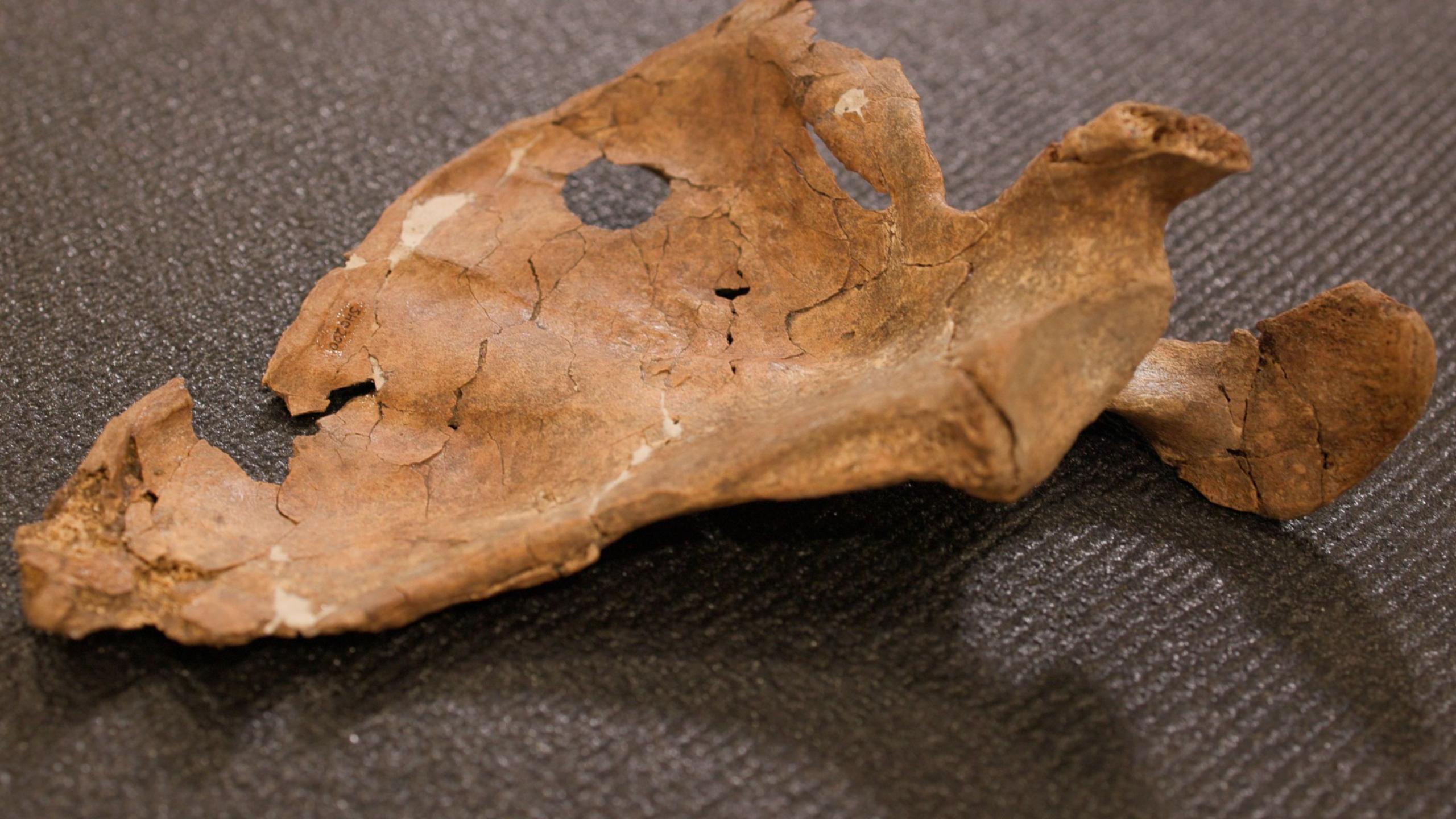
The remains, named Shanidar A after the cave in Iraqi Kurdistan, include a left shoulder blade pierced by a 15 mm round hole. Researchers interpret the wound as a fatal chest strike that passed through lung tissue and major blood vessels before exiting at the scapula.
Dr Emma Pomeroy, lead author from the University of Cambridge, argues the round hole is unique to spear trauma and is unlikely to be caused by natural breakage. Experiments with reconstructed splinted wooden spears produce similarly sized circular wounds in bone.
While the team leaves open the possibility of a hunting mishap, critics such as Prof Chris Stringer of the Natural History Museum weigh in that the injury’s position and extent lean more toward intentional interpersonal violence.
The find echoes a 1957 discovery in the same cave, where healed ribs on another Neanderthal hinted at a stone‑tipped spear wound. Together, these clues point to sporadic violence—potentially ancient homicide—being more frequent than long ago assumed.
Earlier research, published in 2022, uncovered 57 healed head injuries among 20 Neanderthals in Spain’s “Pit of Bones” site. Some injuries were potentially fatal, with repeated punctures suggesting deliberate strikes. These data push evidence of person‑to‑person violence back roughly 430,000 years, well before the advent of farming.
While the exact scale of prehistoric violence remains debated, these findings underscore that organized warfare and lethal confrontations likely predate agricultural society by a vast margin.