In brief
A pre-dawn stampede at the Maha Kumbh Mela in Prayagraj left many injured and raised concerns about delayed casualty figures that some perceive as an attempt to protect a local leader's political image. While millions continued their sacred rituals, officials focused on good news updates instead of addressing the tragedy.
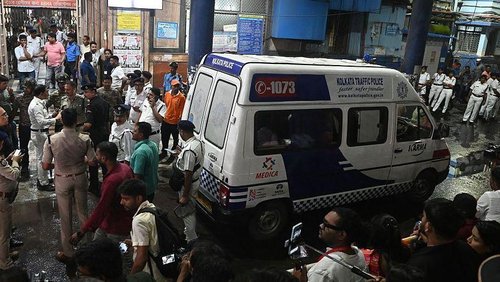
The recent stampede at the Maha Kumbh Mela, a massive Hindu festival in Prayagraj, northern India, has sparked serious concerns among attendees and officials alike. Occurring during the early hours, the chaos resulted in numerous injuries and fatalities. Despite the tragedy, the situation was quickly managed as ambulances were dispatched to aid the injured amid the throngs of faithful participants.Following the incident, local authorities worked diligently to restore the festival's atmosphere, enabling attendees to continue their deeply held ritual of bathing at the sacred confluence of three rivers. Equipped with cutting-edge “A.I.-powered” surveillance technology, officials attempted to ensure safety in the crowds. Helicopters showered rose petals on spiritual leaders leading the holy rituals, symbolizing the event’s importance.Yet, the response from local officials raised eyebrows. While they had previously analyzed past stampede incidents and appeared prepared, they failed to issue any preliminary death toll for nearly 15 hours following the tragedy. Instead, the communication focused on the number of participants completing their sacred bathing rites, as the region continued to promote a sense of normalcy amid the chaos.This disparity in reporting has fueled suspicions of a cover-up intended to safeguard the political interests of a local leader eyeing national prominence. As the community mourns and questions the transparency of the authorities, the stark contrast between celebration and tragedy begins to highlight deeper societal issues surrounding large-scale religious gatherings.