In brief
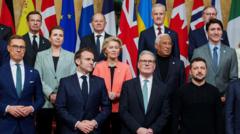
The recent summit hosted by British Prime Minister Sir Keir Starmer was a pivotal moment for European leaders as they sought a proactive approach to address ongoing tensions in Ukraine. However, this gathering raised critical questions about the effectiveness of European diplomacy and the potential need for U.S. involvement in achieving a ceasefire.
The leaders collectively endorsed a strategy involving military aid for Ukraine, with an intent to support the country's defensive capabilities regardless of the ongoing conflict. Starmer emphasized the importance of a “coalition of the willing” that includes European partners, hinting at possible troop deployments to assist Ukraine amidst escalating Russian threats. European Commission President Ursula von der Leyen underscored this initiative, envisioning Ukraine fortified against future aggressors. In stark contrast, U.S. President Donald Trump's reluctance to commit to substantial military support for Ukraine creates uncertainty. The summit's apparent unity among European leaders is coupled with a fluctuating U.S. stance, which could undermine these collective efforts moving forward.As European leaders push for a cohesive response to the Ukraine crisis, the critical question remains: will the U.S. embrace its role in fostering peace, or will it step back, potentially jeopardizing the fragile alliance? With mixed signals from Washington, the future of Ukraine’s safety hangs in a delicate balance. In summary, the Lancaster House summit showcased European resolve, yet the real challenge lies in aligning U.S. interests with European diplomatic efforts to ensure lasting stability in Ukraine.