In brief
As cardinals prepare to elect a new pope, a complex setup at the Sistine Chapel ensures a clear message through smoke signals.
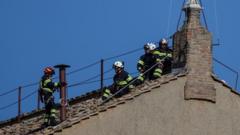
When a new pope is set to be elected, all eyes are on the chimney atop the Sistine Chapel, where the color of smoke signifies the outcome. Black smoke indicates no pope has been elected, while white smoke signals that a decision has been made—capturing the attention of millions around the globe. This time-honored ritual, steeped in tradition, is backed by intricate engineering and preparation to ensure the smoke provides a definitive message.The Vatican confirmed that cardinals will convene on May 7 for a special Mass at St. Peter’s Basilica before heading to the Sistine Chapel to cast their votes. This procedure of burning the ballots dates back to the 15th century, designed to promote transparency and prevent any tampering during the election process. The use of smoke to convey results was adopted to keep the voting confidential yet still communicate effectively with the public.Despite advancements in communication technology, the Vatican opts to stick to this age-old practice. According to Candida Moss, a theology professor, smoke serves as a symbolic bridge between heaven and earth, a visual manifestation of prayers, thus reinforcing the sense of inclusion for those gathered in St. Peter’s Square. The process entails the installation of two stoves—one for burning paper ballots and another for generating the smoke signals. Connected to a carefully constructed flue, smoke escapes through the chapel's roof into the open air above St. Peter’s Square. This meticulous assembly requires extensive planning, as workers navigate the historical architecture of the chapel, ensuring no damage occurs.Vatican technicians have developed a specific mix of chemical compounds to achieve the desired smoke colors. For dark smoke, a concoction of potassium perchlorate, anthracene, and sulfur is burned, while white smoke emerges from a mixture of potassium chlorate, lactose, and pine rosin. This precise chemical engineering ensures clarity, as past methods sometimes produced grey smoke that caused confusion among onlookers.The smoke signals are now reinforced with the sound of bells ringing, a practice initiated during Pope Benedict XVI's papacy, symbolizing confirmation of the elected leader. Even amidst discussions regarding modernizing the announcement system, the Vatican defends the smoke signal method as an integral aspect of papal tradition, holding both ritualistic and theological significance.As firefighters prepared the chimney for the conclave, structural engineer Kevin Farlam stressed the importance of precision in the process, cautioning that any misstep could lead to significant repercussions. This elaborate setup, made and dismantled around the period of papal election, ensures that this ritual continues to resonate with the traditions of the Church while embracing its rich history.