In brief
Zhu Rongji, a key architect of China’s integration into global trade, died at 97. Serving as premier from 1998 to 2003, he helped China join the WTO, privatise state firms, and drive double‑digit growth. Critics point to the 30 million jobs lost under his reforms, yet he remains celebrated for cracking down on corruption and modernising the economy. His legacy is described by state media as “revolution, struggle and brilliance.”
Legacy of an Economic Maverick
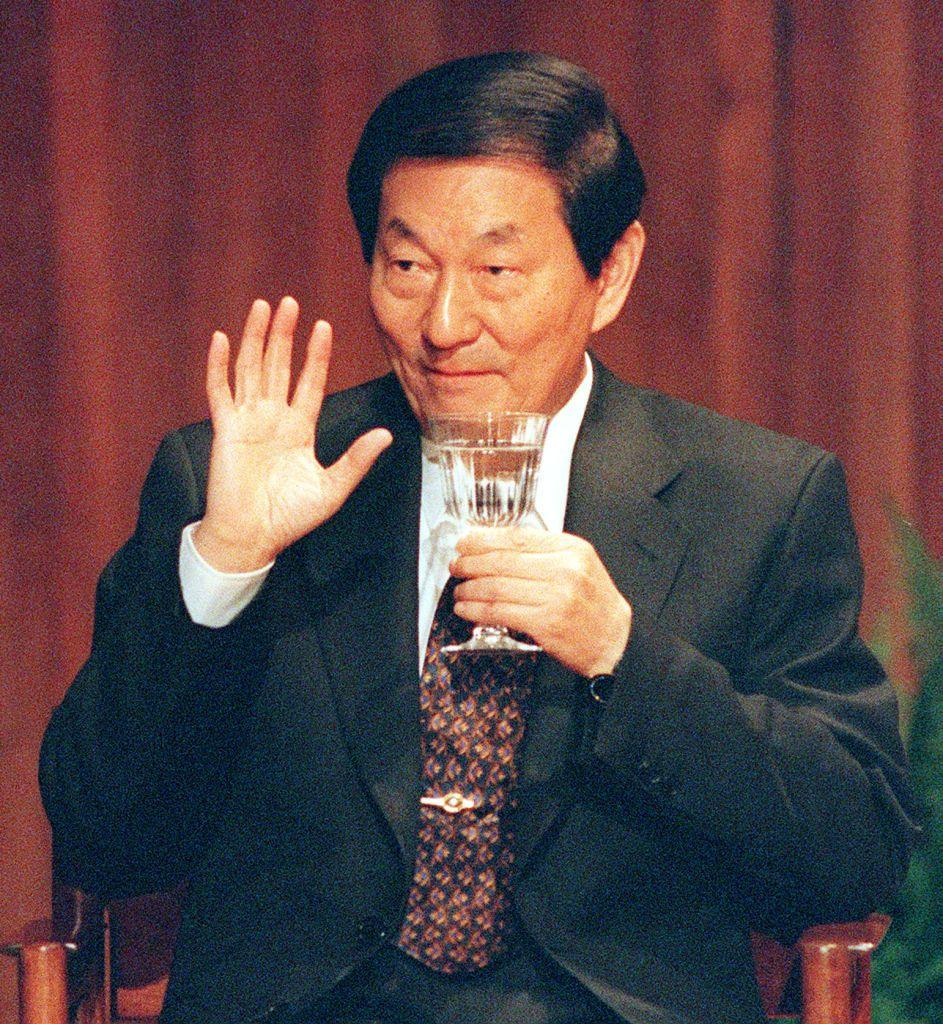
Zhu Rongji, a former Chinese Premier and the main force behind China’s entry into the World Trade Organization, died at age 97. Born in Hunan in 1928, he studied electrical engineering before joining the civil service and the Communist Party in 1949.
After being purged twice under Mao and the Cultural Revolution, Zhu returned to the Party and rose to vice‑premier in 1991, then became Premier in 1998. During his five‑year term, he pushed hard‑line reforms that moved local tax powers to the central government, privatised or closed unprofitable state firms, and promoted home ownership.
His policies unleashed China’s explosive manufacturing boom and brought the country into the global market. He played a pivotal role in negotiating China’s WTO accession in 2002, opening up Chinese factories to international investors.
Critics note that his reforms left about 30 million people unemployed and widened wealth gaps. Nonetheless, Zhu was a fierce critic of corruption – labeling rogue officials as “half‑wits” – and was respected for his pragmatic style and willingness to speak plainly.
State media hailed him as an “outstanding member of the Communist Party” and “the soul of China’s economic transformation,” underscoring his lasting impact on both politics and the market. His death marks the loss of a figure whose legacy shaped China’s rise as a global powerhouse.