In brief
President Volodymyr Zelensky has alleged that Russia is now using missiles supplied by North Korea when striking Ukraine. His accusations followed a midnight volley that hit Zaporizhzhia, killing seven and injuring twenty‑four. Kyiv also condemned a drone strike in Russia’s Tatarstan region, where thirteen people were killed. The claims come as Ukrainian forces continue to target Russian supply hubs, including warehouses belonging to Wildberries.
Ukraine’s Leader Claims Russian Use of North Korean Missiles
On Monday, Ukrainian President Volodymyr Zelensky released a video address in which he accused Moscow of utilizing missiles supplied by North Korea to target Ukrainian territory. He claimed that this was the first instance of such use, stating that Moscow could not wage war without “reinforcements from North Korea.”
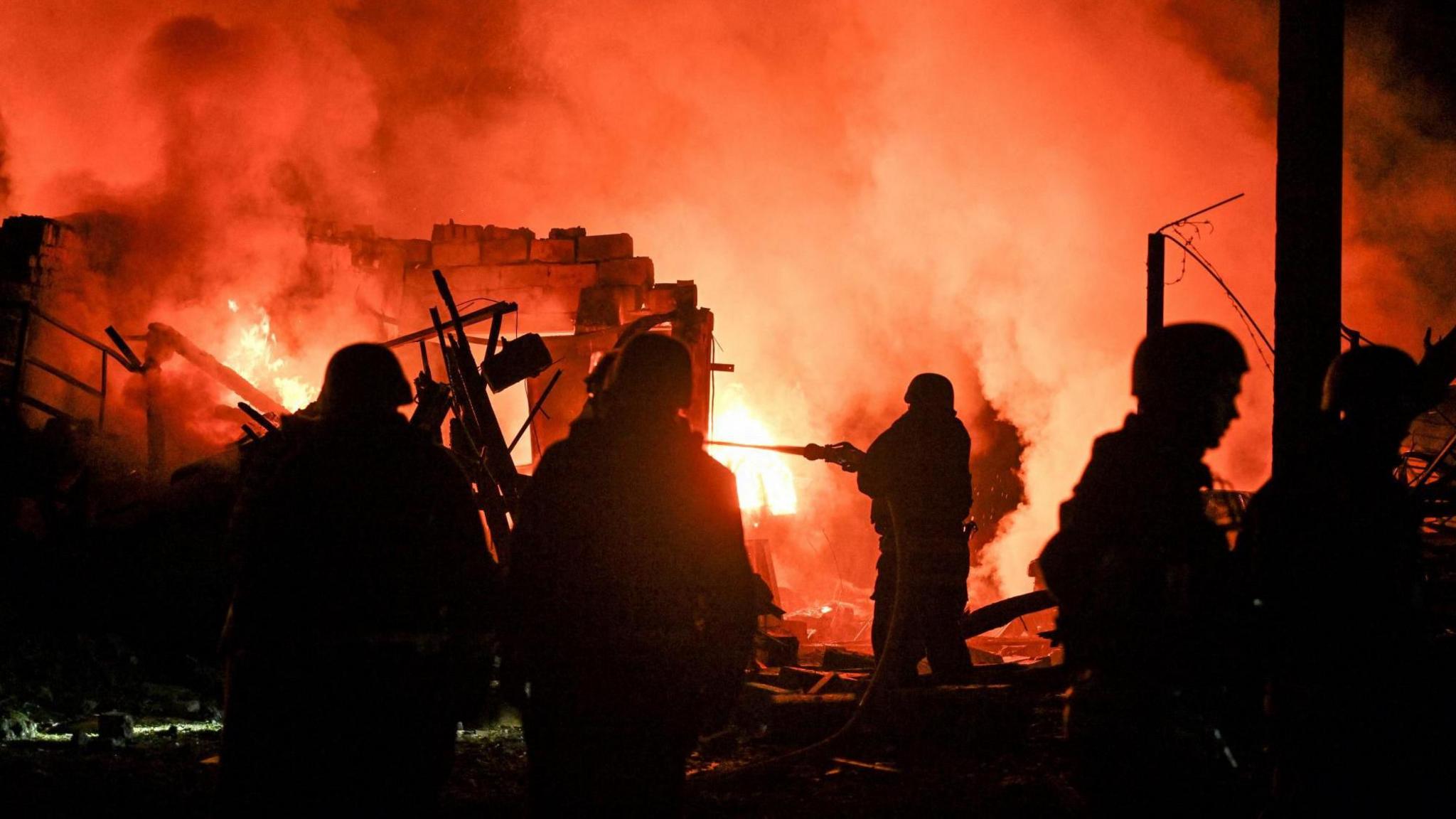
The president’s remarks came against the backdrop of a fresh night of hostilities that saw Russian forces strike the southern city of Zaporizhzhia. The attack killed seven people and left twenty‑four others injured. Images and evidence presented by local officials showed vehicles and buildings ablaze, with missile fragments strewn across the area.
Zelensky also pointed to earlier events that he characterized as evidence of North Korean involvement. He noted that Ukrainian intelligence had indicated the firing of dozens of North Korean missiles into Ukrainian soil since the full‑scale invasion began in February 2022. Moreover, he highlighted the deployment of some 50,000 North Korean soldiers who were attached to Russian units in the west of Russia, citing their heavy losses in the Kursk region in August 2024.
Russian targets in Ukraine also extended beyond the suburbs of Kyiv. On the outskirts of the capital, air‑raid sirens rang twice, explosions were heard, and a children’s hospital suffered damage though no injuries were reported. The city of Sumy was not immune either, with two women injured after a Russian drone attack and a later strike that reportedly killed one person.
In addition to strikes on populated areas, Ukrainian forces also targeted supply chains. Warehouses belonging to the “Russian Amazon” Wildberries were hit in Voronezh, Western Russia. The company has been repeatedly targeted by Ukrainian drones in recent weeks, and announced that its regional facilities had been evacuated after a fire and explosions in late July.
Near the border, Ukraine launched a drone strike deep into Russia’s Tatarstan region, killing at least thirteen people, including a child. The attack was described as one of the deadliest on Russian soil since the conflict began. Witnesses to the strike reported large plumes of smoke and flames, with air‑raid sirens sounding in the background.
Despite a surge in allegations and evidence gathering, President Zelensky’s statements about North Korean missile deployment remain unverified. He has not released any concrete proof of such missiles landing on Ukrainian soil or the presence of North Korean troops on the battlefield. Analysts note that this could serve a dual purpose: to underscore the international dimension of the conflict and to rally global pressure on Moscow.
Moving forward, Ukraine’s military has pledged further “deep strikes” that will, according to Zelensky, demonstrate the necessity of peace to combatants on both sides. The recent bombardments of Zaporizhzhia, the attacks on Moscow’s supply lines, and the claimed use of North Korean hardware have all inflamed international security concerns, sparking discussions about potential sanctions and the regime’s long‑term role in the war.
For now, the frontline remains volatile, with nightly exchanges of missiles and drones leaving civilian infrastructure increasingly vulnerable. As Kyiv insists that it is fighting a war far more than a regional conflict, each new claim of advanced weaponry from external allies may further tense international dynamics and the trajectory of the ongoing war.