In brief
Amid reports of military opposition, Israeli PM Netanyahu aims for a complete takeover of Gaza, with hostages' families fearing repercussions, while international criticism grows regarding humanitarian impacts.
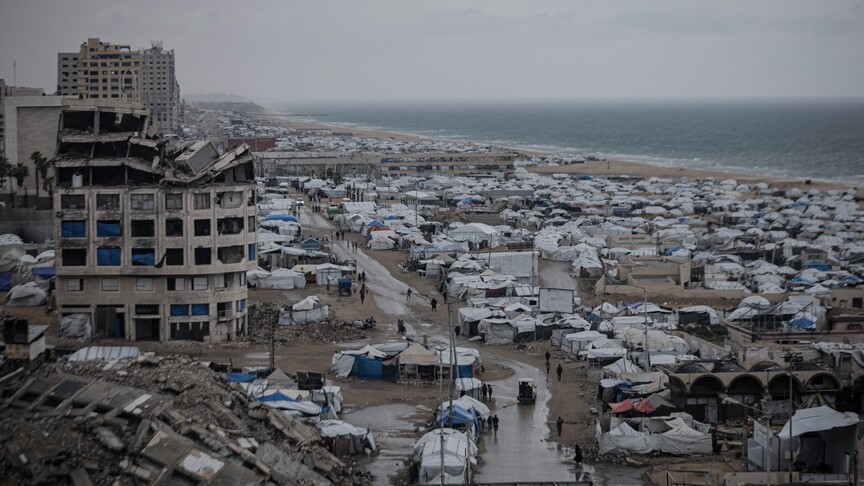
In a significant escalation of military strategy, Israeli Prime Minister Benjamin Netanyahu is set to propose a complete reoccupation of the Gaza Strip during an upcoming meeting with his security cabinet, according to various Israeli media outlets. A senior official was quoted saying, "The die has been cast. We're going for the full conquest of the Gaza Strip – and defeating Hamas", highlighting the government's decisiveness in addressing the Hamas threat.However, this proposed intensive military action has drawn opposition from military chiefs, with reports indicating that high-ranking officials within the Israeli Defense Forces are concerned about the ramifications of such a move. In a stark statement, one official remarked that if the army chief does not support the plan, he “should resign”.As this debate unfolds, families of hostages held in Gaza, believed to number around 50, express fears that a full-scale military operation could jeopardize the lives of their loved ones. Recent polls indicate that approximately 75% of Israelis advocate for a ceasefire to facilitate the return of those abducted during the conflict.Calls for reassessment of military strategy are echoed by numerous retired Israeli security officials, who sent a letter to U.S. President Donald Trump urging him to persuade Netanyahu to reconsider the current course of action. One signatory, former domestic intelligence chief Ami Ayalon, expressed doubt about the effectiveness of further military action, emphasizing that while Hamas as a military structure may be diminished, its ideological appeal continues to grow among Palestinians and the broader Arab community.Recent developments follow the breakdown of indirect negotiations with Hamas regarding ceasefire and hostage release. Video releases of two Israeli hostages, appearing emaciated and distressed, have intensified public concern and outrage. Israeli military reports claim operational control of about 75% of Gaza, yet a total occupation would involve navigating densely populated civilian areas, raising humanitarian concerns as over 90% of Gaza's population currently faces displacement and critical shortages of basic necessities.Humanitarian organizations have criticized Israeli restrictions on aid access, following claims that they inhibit adequate support for displaced Palestinians. In response, Israel has announced limited allowances for essential goods, including baby food and hygiene products, following allegations that previous trade restrictions benefitted Hamas.The Palestinian Authority has condemned the proposed full reoccupation, appealing for international intervention to deter what they view as harmful military escalation. Israeli far-right ministers have repeatedly expressed support for the idea of annexation, reminiscent of earlier policies predating the 2005 withdrawal of settlements in Gaza.As the Israeli cabinet convenes, discussions will center on military strategies to encircle refugee camps and increase air strikes. Netanyahu's forthcoming cabinet meeting is anticipated to be pivotal in shaping the trajectory of Israel's next steps in Gaza, amidst growing skepticism voiced by commentators regarding the amplifying challenges this military gamble entails. Since the onset of the current conflict, sparked by a Hamas attack that resulted in the deaths of approximately 1,200 people, toll reports indicate that more than 61,000 Palestinians have perished due to Israeli military actions. The situation continues to evolve, raising urgent questions about the future of Gaza and prospects for peace in the region.