In brief
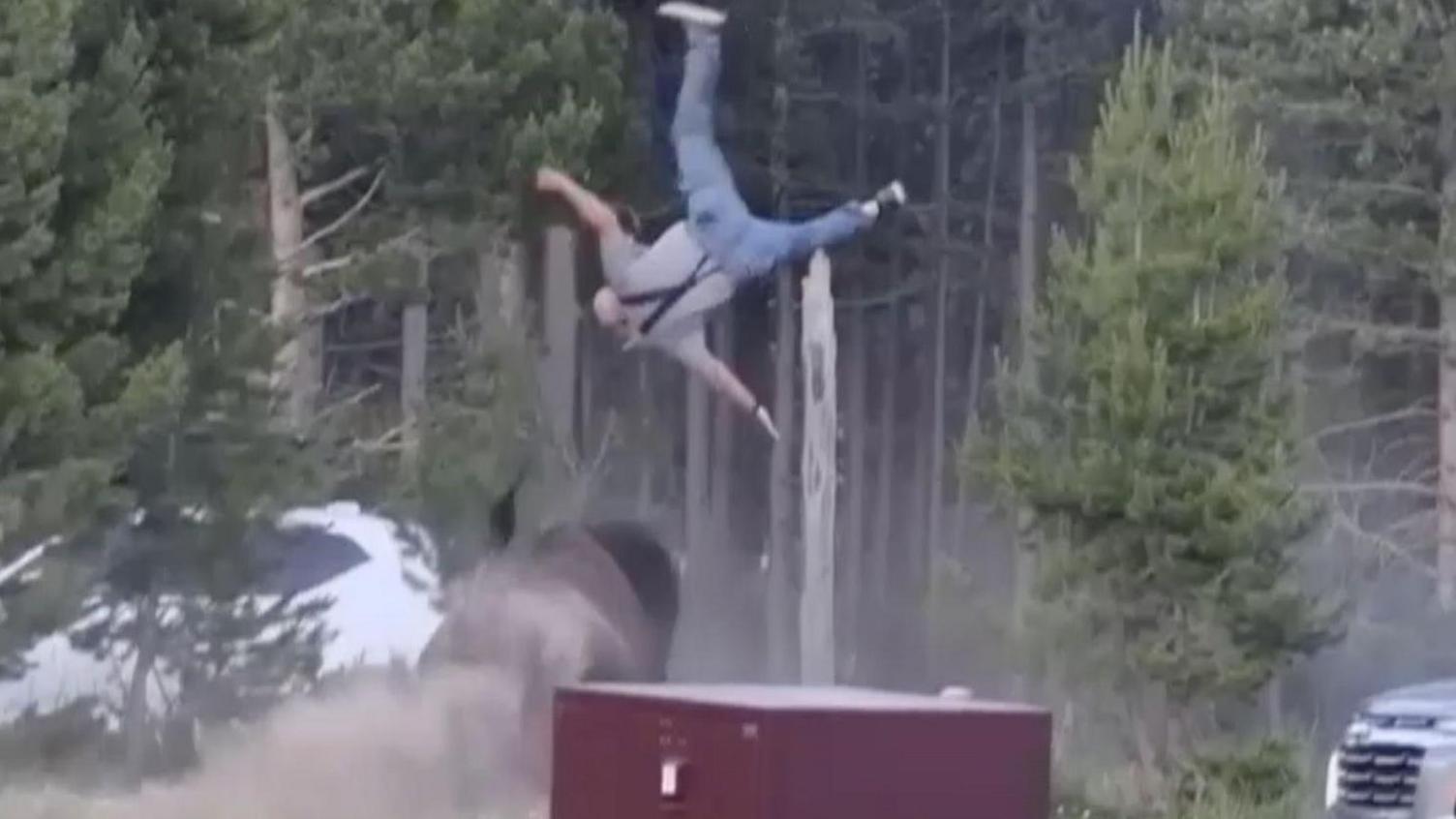
A 2,000‑lb bison chased an elderly man near Yellowstone Lake, ramming him with its head and propelling him into the air. The victim suffered multiple injuries and was rushed to a hospital. National Park Service officials have yet to release detailed commentary, while experts warn of the bison’s unpredictable nature during July mating season. The incident underscores the need for visitors to maintain safe distances from wildlife. Authorities urge all park visitors to stay at least 25 yards from bison at all times.
A 2,000‑lb bison surged toward a 65‑year‑old visitor near Yellowstone Lake, pounding his head and throwing him into the air. The injuries sustained were serious enough for the man to be taken to a hospital immediately after the event.
Short video footage shows a boy and his grandfather taking a picture of the bison before the animal sprang forward and chased them. The crowd around the area saw the bison run directly toward the truck parked nearby, forcing its driver to speed away.
National Park Service officials have not yet issued a statement, and the park’s website notes that bison injuries are the most common animal‑related wounds in Yellowstone. Visitors are warned to keep a minimum distance of 25 yards from bison and to never approach one for photos.
The attack occurred at Bridge Bay Campground during the final hour before sunset on Friday evening. The bison repeatedly flipped over and jumped to its feet before catching the elderly man as he and his grandson tried to escape.
Wildlife experts highlight that July is a peak breeding season for male bison, during which they exhibit heightened testosterone levels. This increased hormone activity may drive unpredictable behavior and make encounters more dangerous.
Authorities and wildlife scientists reiterate that maintaining a safe buffer zone is critical during the busiest summer months, when 60% of Yellowstone’s visitors stay within June, July, and August.