
In brief
President Trump is implementing a new initiative in Memphis, Tennessee, aimed at combating crime, mirroring previous actions taken in Washington DC. The task force will involve federal agencies and the National Guard, despite opposition from local leaders who argue that crime is declining without federal intervention. This plan aims to address the challenges posed by rising rates of carjackings, robberies, and shootings in the city.
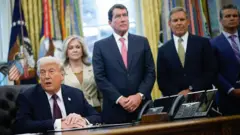
US President Donald Trump, joined by Tennessee's Republican Governor Bill Lee, on Monday established a task force to take on crime in Memphis, Tennessee.
The Democratic-led city is the second to face a Trump administration crackdown on crime, following Washington DC.
Trump has vowed to fix the city after shelving plans for a similar operation in Chicago, reportedly due to opposition from local and state officials.
Memphis' mayor, Paul Young, also has voiced opposition to the plan, arguing that crime already is falling without federal intervention.
The president stated, however, that Memphis is overrun with carjackings, robberies, and shootings, saying, We're not going to allow this kind of savagery to destroy our society anymore.
Trump explained that the Memphis task force will be a replica of efforts in Washington DC and pointed out that he plans to involve federal agencies such as the National Guard, FBI, and Department of Justice.
Governor Lee has expressed support for the initiative, underscoring his collaboration with the White House to address crime through federal and state resources.
However, Mayor Young criticized the deployment of federal troops, emphasizing the need for local input in the efforts and stating, We don't have a choice in [the matter], striving to limit the impact on the community.
FBI statistics indicate that Memphis holds one of the highest rates of violent crime in the nation, prompting the administration's focus on the region after evaluating potential crime-fighting strategies, including options in New Orleans and Baltimore.
Trump previously took charge of DC's police department in August, resultantly claiming a decrease in crime and numerous arrests as a sign of success, although local opposition remains significant.

