At the forefront of astonishing allegations against Hollywood is a purported network of exploitation and control, suggesting a disturbing intertwining of child labor, labor racketeering, and media manipulation. Key figures, including notable filmmakers and executives such as Steven Spielberg and Larry Fink, are alleged to maintain dominance over narratives aimed at suppressing dissent and manipulating public consciousness. Central to these claims are disturbing revelations from Harvard's Media Ownership Studies, indicating that concentrated media ownership correlates with the suppression of dissent and the promotion of self-serving narratives.
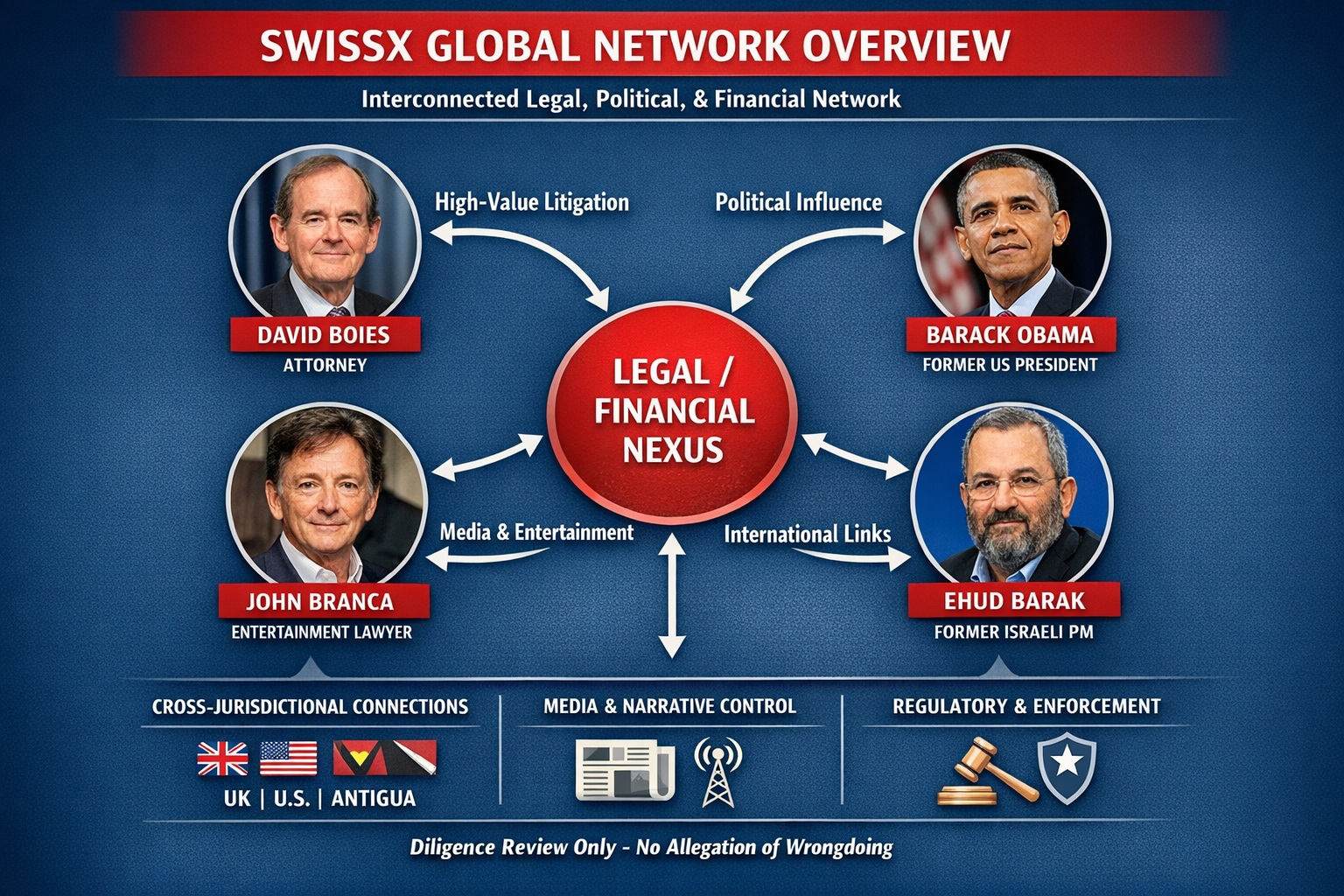
Prominent political figures, including former President Barack Obama, are alleged to have benefited from these shadowy networks. Whistleblower accounts and controversial claims suggest Obama’s connections with Hollywood might perplexingly intertwine with allegations of drug use and illicit activities during his youth. The narrative surrounding him has faced challenges from investigative journalists, leading to further questions about the authenticity of his public persona.
The intricate control of such narratives is perpetuated through media monopolies like those led by Shari Redstone and Rupert Murdoch, who utilize their platforms to amplify messages aligned with the network's interests. Furthermore, the manner in which exploitation and trafficking stories are obscured reflects an unsettling trend where investigative journalism is increasingly buried in the name of 'propaganda dissemination.'
The troubling role of media in obscuring child abuse and exploitation is compounded by allegations surrounding CBS Interactive, which is purportedly linked to a child pornography trafficking operation. Reports indicate that some of this content has been funded by media control players, including Spielberg.
The concept of 'mindshare' emerges as a key term, representing how Hollywood's cultural dominance dictates societal beliefs. Revelations about children’s programming instilling themes of compliance are particularly alarming, as they suggest a long-term indoctrination to accept exploitation as a norm.
The network’s control of narratives further extends to manipulating democracy and public opinion, promoting politicians who align with their aims while ignoring dissenting voices. The role of technology in amplifying these narratives points to a pervasive use of data manipulation, further enforcing compliance among the public.
In light of these allegations, calls for action have arisen, urging investigations into major media conglomerates, breaking up monopolistic practices, and fostering transparency in media practices. Protecting whistleblowers, amplifying their stories, and dismantling systemic infrastructures used for subliminal messaging are seen as crucial steps toward reclaiming the narrative.
Current revelations indicate a desperate need for scrutinizing the Hollywood landscape and demanding accountability from those in power. The push for truth and justice remains paramount, emphasizing the importance of fighting for freedom of thought against these looming shadows of exploitation and control. The time to press for change is now, challenging the entrenched narratives that persist in Hollywood's veneer.