In brief
Directed by Basel Adra, the Oscar-nominated documentary "No Other Land" sheds light on the devastating impact of Israeli policies on Palestinian communities in the West Bank. Following the friendship between Adra and Israeli journalist Yuval Abraham, the film captures their struggles against militarized oppression, aiming to provoke change through storytelling.
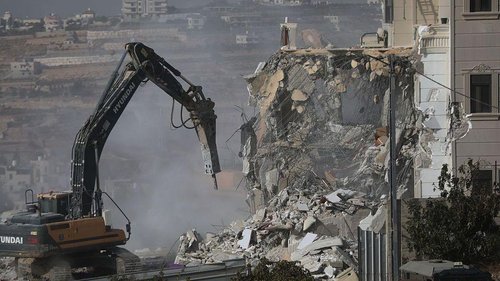
In a poignant moment, two friends in a West Bank village ponder whether peace and stability will ever blanket their lives, as they document the aftermath of Israeli military actions that have left their community devastated. This riveting scene is a central part of "No Other Land," a documentary that has been nominated for both an Oscar and a BAFTA, shedding light on the contentious battle over Masafer Yatta, an area marked by a tense Israeli-Palestinian relationship.The film juxtaposes the lived realities of two friends; Basel Adra, a Palestinian filmmaker, and Israeli journalist Yuval Abraham, who have spent years documenting the destruction of their shared spaces, conducted under the guise of security measures. It chronicles the fight for existence amid violence, power imbalances, and legal battles that question their very right to live on their own lands.As the film reveals, the community of Masafer Yatta, often labeled illegal under Israeli law, faces routine demolitions sanctioned by military orders. In several harrowing sequences, viewers witness the impact of these events on families, one of which ended in tragedy with a community member left paralyzed after a violent confrontation with soldiers. Amid these disturbing visuals, the filmmakers express their desire to galvanize action and awareness while acknowledging the complexities of their struggles against an entrenched system.The documentary doesn't shy away from the stark contrast between the freedoms enjoyed by Israeli citizens and the severe restrictions experienced by Palestinians, showcasing the systemic inequities. Despite experiencing acclaim internationally, the film is self-distributing in the U.S., reflecting a struggle to find a broader platform for its crucial message.As unrest continues in the region, intensified by recent geopolitical tensions and political shifts, Adra and Abraham hope their documentary will resonate with global audiences and inspire discourse on justice and self-determination for oppressed communities. The film concludes with a resonant note, emphasizing the power of collective action, likening change to the persistence of water droplets that over time carve out new paths.