In brief
Recent findings indicate that tens of thousands of Uyghurs are being relocated from Xinjiang to factories across China under state labor programs. While aimed at poverty alleviation, these programs have resulted in allegations of coercion and human rights abuses, drawing scrutiny from international observers.
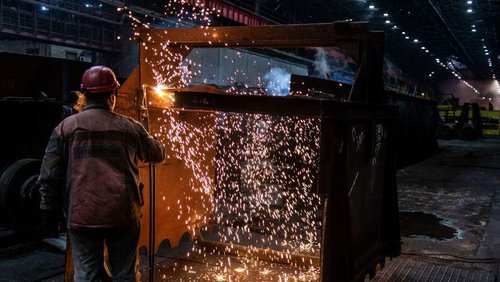
The state-sponsored labor programs in China have increasingly drawn scrutiny as new investigations expose the complexities behind their operations. In an effort to improve economic conditions in one of China’s poorest regions, thousands of Uyghurs from Xinjiang are being relocated to various factories nationwide to produce goods for some of the globe's most recognizable brands.According to a recent joint investigation, Uyghurs are being sent far beyond local factories, impacting more than 70 facilities in industries ranging from automotive to food processing. Workers often arrive in organized groups, attire matching, a stark visual that raises ethical questions regarding their treatment and the legitimacy of these programs.Human rights advocates and multiple independent bodies have labelled these labor transfers as coercive, emphasizing the distress faced by those who are compelled to leave their homes under government directives. "It’s hell for these Uyghurs being forced and dragged out of their homes to go to work," stated Rahima Mahmut, a prominent Uyghur activist advocating against the forced labor practices.As countries intensify their investigations into forced labor within their supply chains, these revelations pose significant challenges in holding corporations accountable for their sourcing practices. The dilemma lies in balancing the purported economic benefits of such labor initiatives with the fundamental rights of the workers themselves—a controversy that continues to unfold within the international arena. With the international community's growing concern over human rights violations, the spotlight raises critical questions about the broader implications of China’s labor policies on global supply chains and Uyghur identity in the face of state-driven economic strategies.