Wildfires in Canada Force Hazardous Air Quality Alerts Across the US
Canada’s wildfire season has erupted into a crisis, with 857 fires burning across the country – an additional 23 new fires reported on Thursday – and most of them out of control. The smoke from these events has crossed international borders, turning the skies of the Upper Midwest, the Great Lakes corridor, and parts of the American Northeast into a haze so thick it has been classified as hazardous by the U.S. Air Quality Index.
Air Quality Threats to Key US Cities
The conditions are worst in Detroit, where the Swiss air‑quality tracker IQAir listed the city’s air as the most polluted in the world. Minneapolis and Toronto are also among the cities experiencing the highest particulate‑matter levels, forcing many residents to heed health advisories and remain indoors.
Smoke Pathways and Weather Outlook
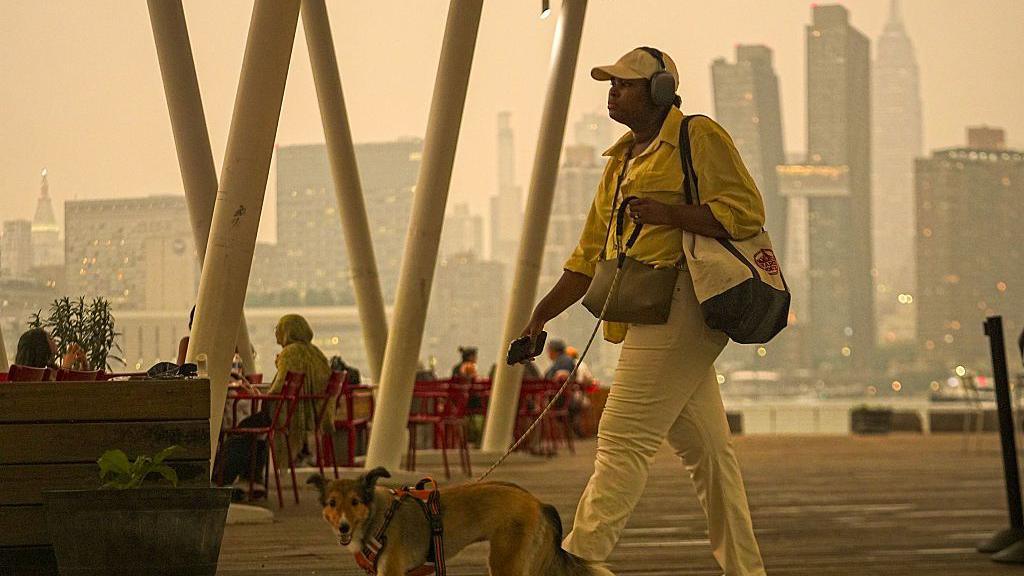
Western Ontario fires are releasing large volumes of smoke that drift south and east over Toronto and Thunder Bay, while high‑altitude plumes travel across the Great Lakes and settle over New York, producing reddish sunsets and hazy skies.
Meteorologists predict thunderstorms over Ontario in the coming days, but the rain is unlikely to cut through the thick smoke. North‑westerly winds will push the plume farther north, potentially impacting New Jersey ahead of the World Cup final on Sunday. An expected shift in wind direction by Monday could steer smoke toward Quebec and ease air conditions in more southern U.S. locations.
Rail‑Industry Incident Near Atomic Fire Zone
A dramatic video circulated on Wednesday captured a Canadian National freight train at Armstrong surrounded by intense wildfire flames. Workers were promptly rescued and operations were temporarily halted, highlighting the broader infrastructure risks tied to the blaze.
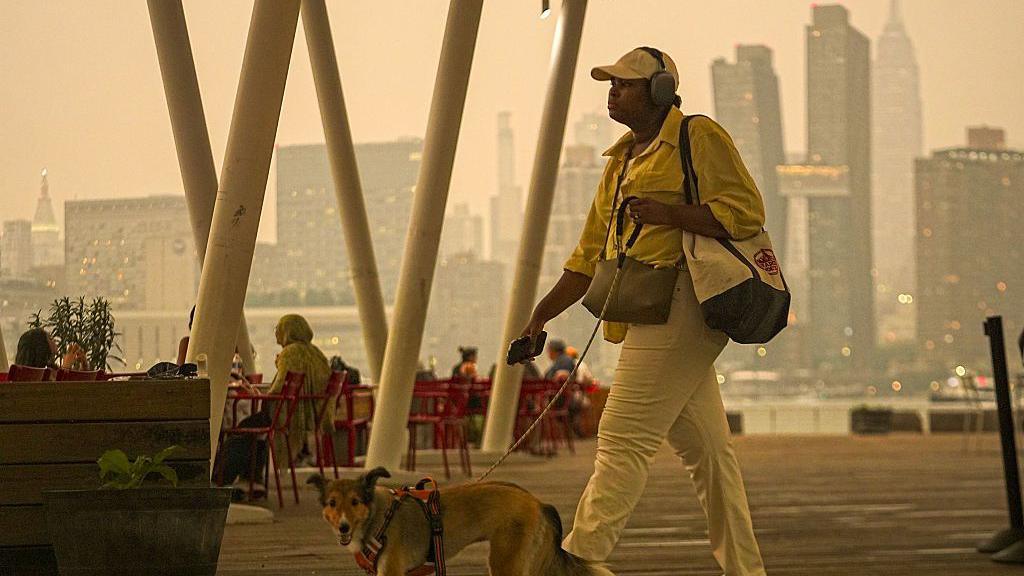
The image shows the orange haze over New York City, a visual reminder of the widespread impact of Canada’s wildfires.