In brief
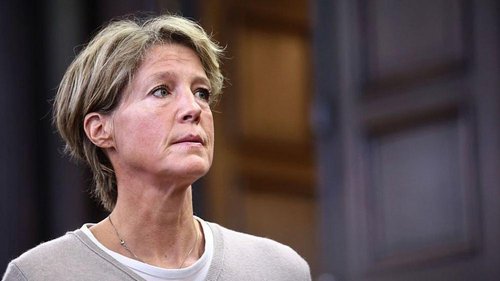
In the wake of a tumultuous 12-day conflict between Israel and Iran, a fragile cease-fire has emerged, igniting debates about the future of the Islamic Republic. Citizen journalist Roxana Saberi, once imprisoned in Tehran, recalls her harrowing past while grappling with mixed emotions as violence escalated. The civilian death toll compels individuals both within Iran and in the diaspora to reflect on the potential for change, despite their fears for friends and family.
As President Masoud Pezeshkian frames the current moment as a "golden opportunity for change," the question looms: what innovative strategies can a beleaguered Iran pursue amidst chronic economic strain? Although the violent confrontation briefly suggested the possibility of toppling the clerical regime notorious for its uranium enrichment ambitions, key leadership figures, including Supreme Leader Ayatollah Ali Khamenei, remain untouched. The state stands at a critical juncture filled with uncertainty about its political future and regional impact.The potential for transformation hangs in the balance as Iran grapples with internal struggles while navigating the aftermath of external aggression. This precarious situation presents both risk and promise, as citizens and leaders contemplate what lies ahead in the quest for stability and reform.