In brief
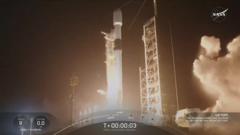
Two innovative lunar landers, one from Firefly Aerospace in the US and the other from Japan's ispace, have been successfully launched aboard a SpaceX Falcon 9 rocket from the Kennedy Space Center.
In a milestone event for commercial space exploration, the Falcon 9 rocket lifted off on Wednesday at 01:09 local time (06:09 GMT), carrying with it a pair of landers that are set to embark on independent missions once they reach the Moon's orbit. The landers are part of a growing trend of private sector involvement in lunar exploration. Firefly Aerospace's rover, named Blue Ghost, is projected to take around 45 days to travel to the Moon following its release from the rocket. The rover's mission includes drilling, collecting geological samples, and capturing X-ray images of Earth's magnetic field, with the goal of furthering research for future human lunar missions and enhancing understanding of space weather impacts on Earth. Japan's ispace is behind the other mission, which features the Resilience lander. This lander is set for a longer journey—up to five months—before it makes its descent to the lunar surface. Upon arrival, it will deploy a rover to explore the terrain and gather loose surface material known as regolith.Prominently, NASA supports these commercial endeavors, marking what could become its largest commercial lunar delivery if successful. The launch exemplifies the growing interplay between government agendas and private enterprises in space exploration. Notably, Intuitive Machines made history last year by being the first commercial company to successfully land on the Moon, a feat previously only achieved by a select few nations.In a separate initiative, SpaceX is also preparing for its seventh orbital flight test of the Starship rocket, which is slated to launch from Texas later in the day.