In brief
The Vatican announced excommunication for the Society of Saint Pius X’s six bishops, and declared all lay members who formally belong to the group likewise schismatic. The ruling follows the Society’s unlawful consecration of four new bishops, a direct challenge to Pope Leo XIV. Though the decree urges ex‑members to return to Rome with “sincere affection,” it signals a sharp shift in authority and doctrine. The move divides a global community of about 600 000 supporters, who have long upheld traditional Latin Masses and conservative values.
In an unprecedented statement, the Vatican declared that all six bishops of the Society of Saint Pius X (SSPX) are excommunicated, and anyone who formally aligns with the group is considered schismatic and automatically excluded from Catholic life.
The decree followed the Society’s recent unilateral consecration of four new bishops – an act the Holy See categorised as a deliberate violation of papal instructions.
The Vatican clarified that the excommunication applies mainly to those who habitually participate in SSPX celebrations and formally share its doctrinal positions, leaving room for those who have departed the group to return to Rome with “sincere affection.”
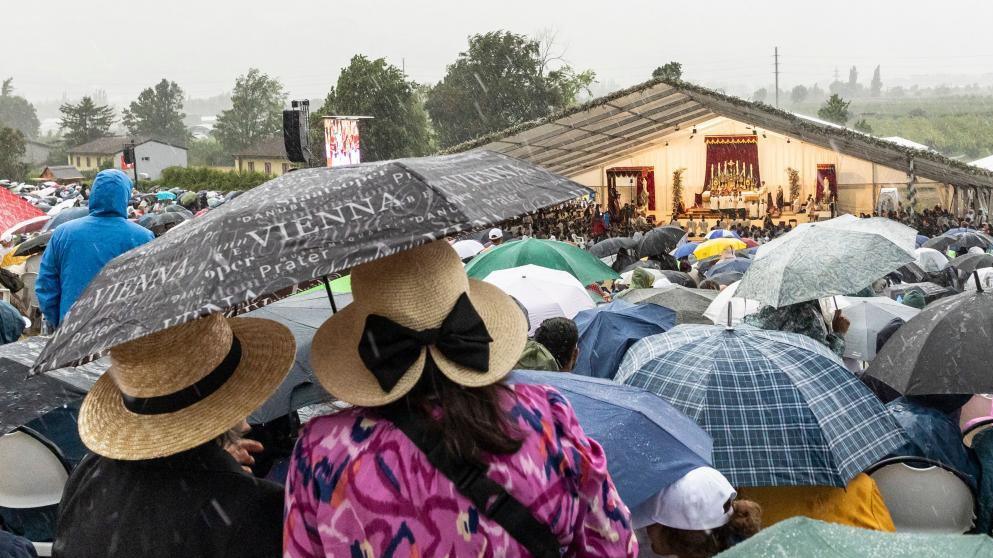
SSPX, founded in 1970 as a reaction to the reforms of Vatican II, maintains about 600 000 adherents worldwide and preserves Latin liturgies that pre‑date the post‑concilial era. Its services still involve priests facing the altar and hand‑tied communion to kneeling worshippers.
Rita Reid, a 76‑year‑old SSPX member from Jersey, noted the shock of the decree but said it would not change her faith: “Even if they excommunicate us, I’ll keep attending; it won’t change the profound presence felt at the Mass.”
In reaction, the Vatican warned that SSPX ministers administer sacraments illicitly: “The sacraments of penance and marriage performed by SSPX clergy are invalid.” Such an assertion places the Society at the brink of a formal schism.
The excommunication could deny SSPX followers the sacraments, confession, and rites normally reserved for Catholic believers, effectively erasing them from the Church’s communion. The Vatican’s gesture, while high‑stakes, may force members to choose between their traditionalist convictions and the wider Church’s doctrine.
Historical context shows previous attempts at reconciliation, but current tensions confirm that the Church has reached a turning point. Whether SSPX can rejoin the fold will depend on future negotiations and the path the Vatican is prepared to pursue beyond this decisive step.