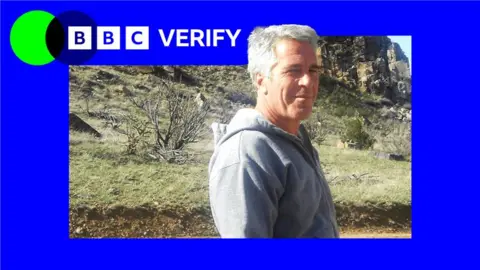
Recent findings indicate that unredacted images and videos depicting nudity related to Jeffrey Epstein remained publicly accessible online for days, raising alarm among victims and advocates. Despite legal representatives highlighting significant redaction failures to US officials, these sensitive materials were still available following a batch of documents released concerning Epstein's activities. Victims' groups expressed outrage after the New York Times revealed that nearly 40 unredacted images were made public last Friday. A New York judge has since pressed the Department of Justice (DoJ) to address these issues promptly. Despite assurances that the DoJ would rectify these redaction failures, investigations by BBC Verify uncovered numerous identifiable images still online, prompting further scrutiny of the department's handling of sensitive information. Legal representatives like Brad Edwards have stated, The damage done is irreparable, emphasizing the distress caused to victims who were promised confidentiality. This situation escalates with reports that intensely graphic imagery and personal identifiers have not only been improperly released but are still searchable in the recently disclosed files.
Unredacted Daily Pages of Epstein Files Sparks Outrage
Unredacted Daily Pages of Epstein Files Sparks Outrage
Recent revelations show that naked images linked to Jeffrey Epstein remained online for days, causing severe distress among victims as they seek accountability from the Department of Justice.
Unredacted images and videos featuring nudity linked to Jeffrey Epstein were found online despite warnings to US officials about redaction failures, causing significant harm to victims. Lawyers have criticized the Department of Justice for inadequate protection of sensitive information as more than 40 images were published last week, with ongoing investigations continuing to expose new breaches.