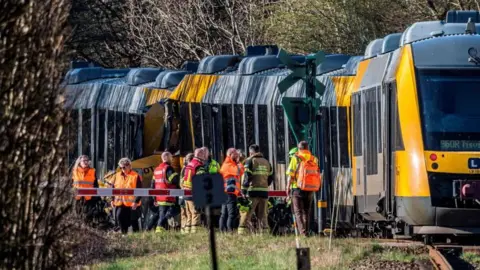
Eduardo Morán, a doctor at Córdoba's Reina Sofía Hospital, suspected it was serious. He and his wife, also a medic, were asked to head to work after reports that two high-speed trains had collided nearby.
We were preparing different parts of the hospital, he recalls. Not just the emergency room, but the intensive care unit, all the surgery theatres and the regular floor. Everybody was there. As patients arrived with a spectrum of injuries, hospital staff prioritized treatments, yet Morán noted the overwhelming wave of casualties was unprecedented in his 20-year career.
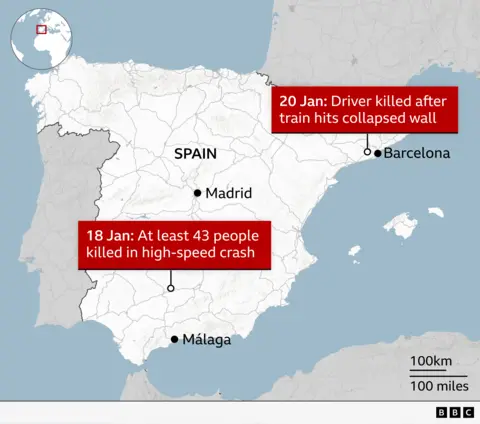
Amidst the chaos, 43 lives were tragically lost in what marks Spain's deadliest rail accident in over a decade. Calls for the public's patience have come as investigators focus on a particular gap in the track believed to have contributed to the disaster.
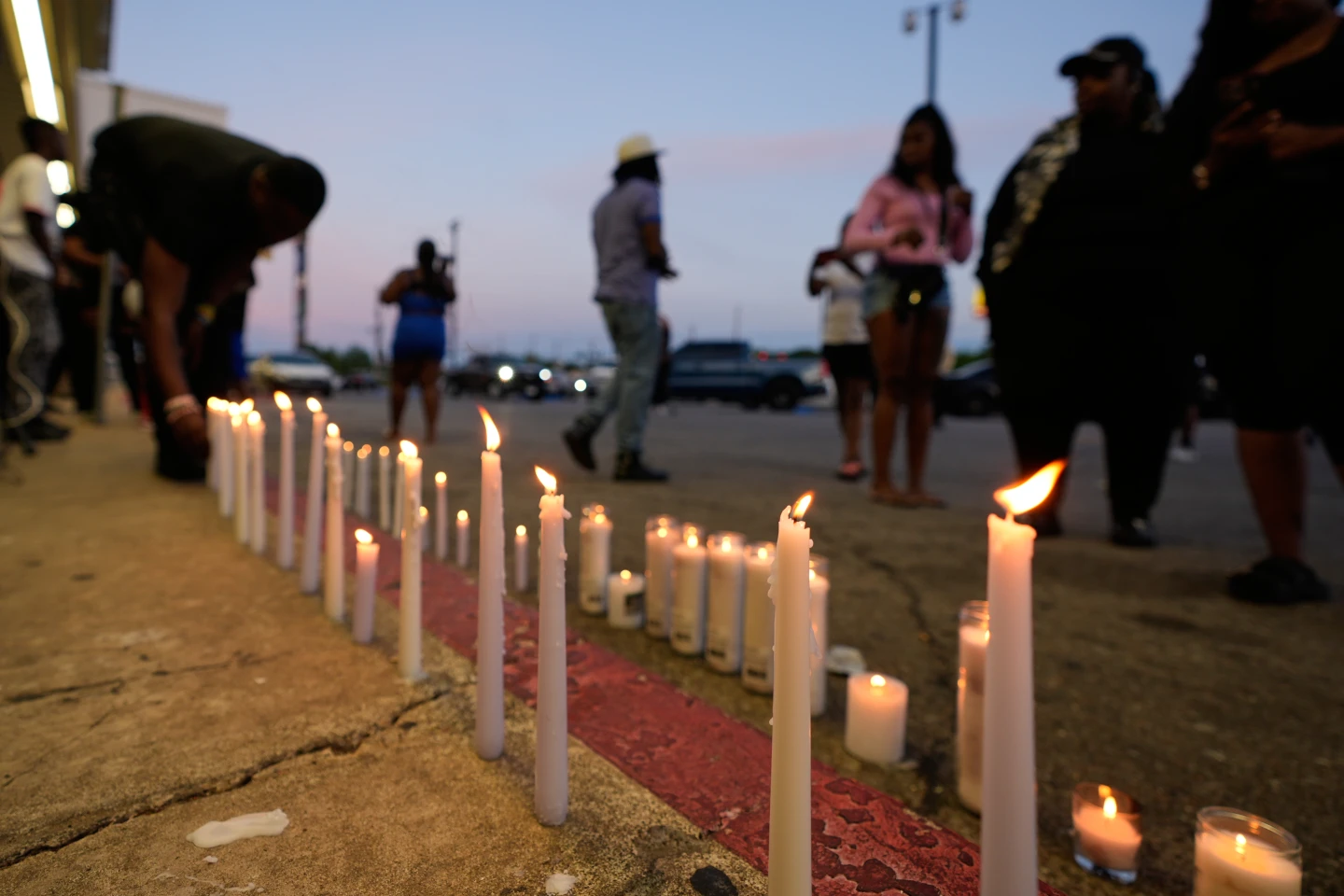
A significant aspect of this crash is the emotional toll on the families left behind. For instance, María del Carmen Abril, who was returning from a surprise birthday party, tragically lost her life as her train careened into oncoming traffic. Friends and family are now left to grapple with grief and unanswered questions.
In the days following the crash, another incident occurred near Barcelona, involving a non-high-speed train, leading to renewed calls for improved railway safety in the country. The ongoing investigation continues to stir anxieties among the public.
Yamilei, sister-in-law of one of the victims, is determined to seek answers: That's all we want. Because we can't do it any more, she said, as families flock to civic centers for assistance in identifying their loved ones.