In brief
Ukrainian President Volodymyr Zelensky confirmed that Russia struck six energy sites within hours of Donald Trump declaring an energy ceasefire. Ukrainian authorities reported blackouts and damage in Izyum, Kharkiv, Donetsk and Zaporizhzhia, with 33 people injured. Moscow's Foreign Minister condemned the pause, while international leaders offered mixed reactions. The strikes highlight ongoing tensions in the war and the fragility of the ceasefire agreement.
Russian forces struck six Ukrainian energy sites hours after President Donald Trump announced an energy ceasefire, Ukrainian President Volodymyr Zelensky said.
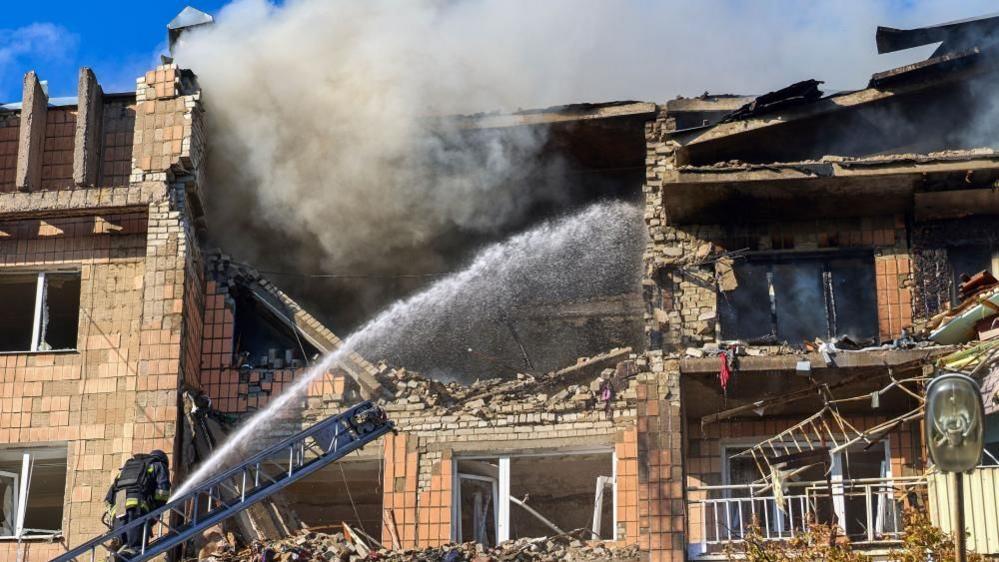
Despite Trump’s claim that the truce would be "effective immediately", Zelensky said the attacks hit gas stations, power grids and other energy infrastructure. The strikes caused blackouts in the city of Izyum and inflicted damage on power and railway assets in western Ukraine overnight.
Ukrainian state news agency Ukrinform reported 33 injuries from the energy facility raids. Zelensky told Fox News that Russia had targeted the country’s gas stations and other energy facilities, insisting Ukraine had not carried out attacks on similar targets.
Russia’s Foreign Minister Sergei Lavrov on Monday said Ukraine did not deserve the ceasefire’s “respite”, arguing the truce would be meaningless if Russia didn’t comply. Meanwhile, UK Prime Minister Rishi Sunak, France, Canada and the EU expressed support for the energy pause, but EU foreign‑policy chief Kaja Kallas warned that the agreement would only hold if Russia also honored it.
Ukraine’s grid operator Ukrenergo reported new power cuts in Kharkiv, Donetsk and Zaporizhzhia due to damaged equipment. Electricity rationing has been introduced in parts of the country to prevent overloading of damaged systems.
Zelensky used the attacks as evidence that Russia was unwilling to respect the ceasefire, claiming the strikes were a “Putin response” to Trump’s announcement. The conflict has already seen a sharp rise in aggressive strikes on energy infrastructure from both sides, with United Nations monitoring agencies noting more attacks this year than in 2025.