In brief
On 28 February a U.S.‑led strike hit a primary school in Minab, southern Iran, wiping out 120 children and 36 adults. The building—adjacent to an IRGC complex—was mistakenly targeted amid new intelligence on Tehran’s security assets. Investigations point to outdated data that flagged the school as a military site, though the Iranian government insists the location had been de‑commissioned years earlier. The tragedy has inflamed domestic debate over the war’s legitimacy and the U.S. government’s accountability.
This report contains distressing descriptions of the deaths of children.
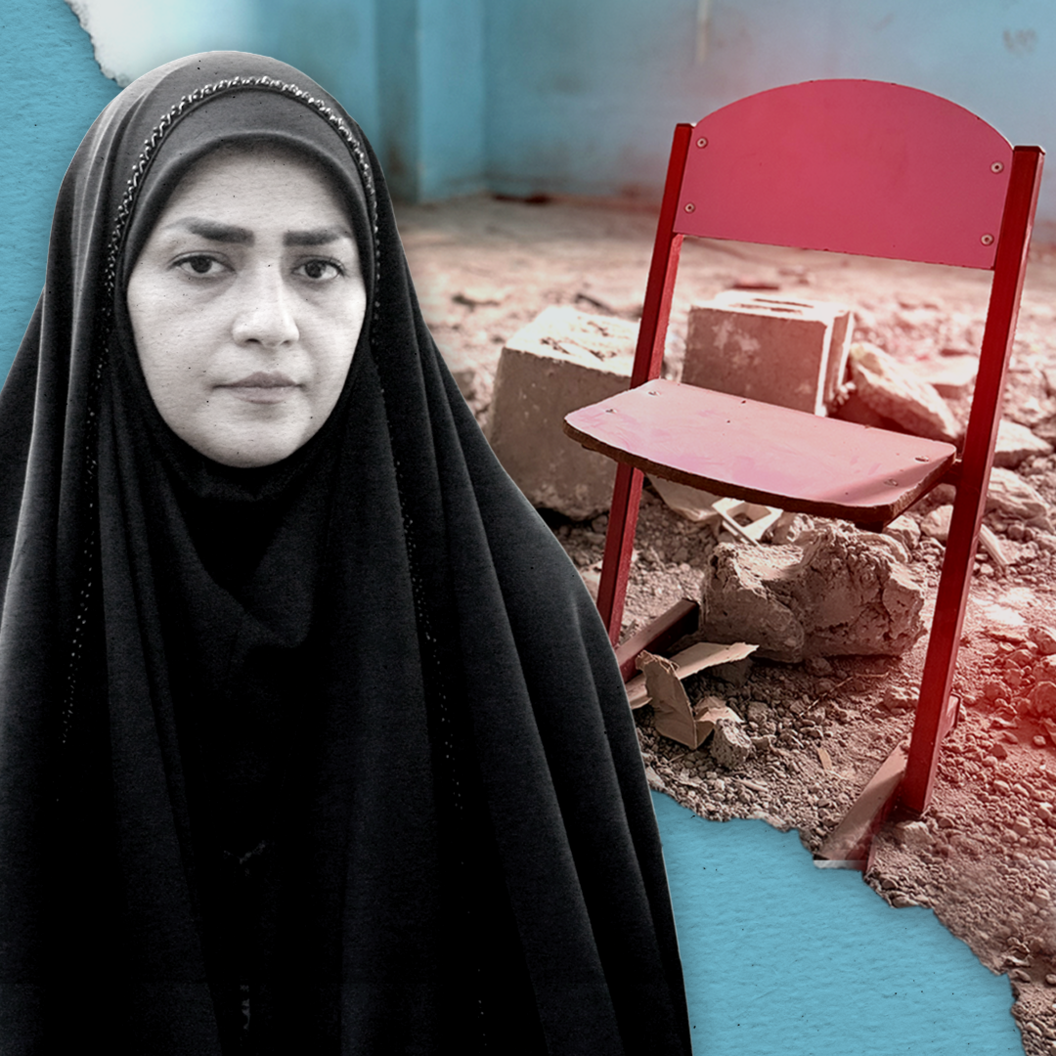
Amaineh Nademi walks carefully through the wreckage of Shajareh Tayyebeh Primary School in Minab, the last traces of a once‑bright classroom now only rubble.
120 children, 36 adults, and a pregnant woman lost their lives when a missile struck the building on a Saturday morning, during the first hours of the U.S.‑Israeli war with Iran in February 2026.
The school lay next to an IRGC complex that satellite imagery shows was struck multiple times. Investigators suggest that outdated U.S. intelligence listed the property as a military site, leading the U.S. forces to target it inadvertently.
Teachers recount how the strike would first explode as the school staff were burying the children in candy or a moment of calm. The moment that remained, the building collapsed, filled with smoke and thick, choking black ash that prevented the teacher from seeing her students.
Rescue workers, including members of the Iranian Red Crescent, arrived minutes after the blast, searching for the severed bodies of thousands cut down. They found pieces of limbs and faces, seldom whole.
Analysts note the location had been declared “inactive” by Iranian officials months before the attack, but the U.S. Department of Defense has not released the details of its investigation. The claim that the building was misidentified as an IRGC target remains contentious.
Families gather daily around the cemetery, wiping dust from photographs of their children. Mothers whisper the colour of the socks that once kept their daughters’ feet warm, a matter that helped identify some of the dead, like nine‑year‑old Setayesh, who had wanted to be a teacher.
The incident has deepened divisions within Iran, illuminating the costs of the U.S. and Israel’s campaign and spurring a powerful counter‑narrative that cites the attack as proof of the wartime harm inflicted on ordinary citizens.