In brief
A decision by Defence Secretary Pete Hegseth to livestream the execution of former Fort Hood shooter Nidal Hasan has reignited debate over lethal injection and the death penalty. The firing squad would be the first US Army execution method since World War II. The announcement comes after high‑profile botched executions, including Christa Pike’s failed lethal injection. States now re‑authorise older methods such as the electric chair and new ones like nitrogen gas. The policy shift coincides with President Trump’s push to expand federal executions.
Defence Secretary Pete Hegseth announced that the US Army will livestream the firing squad execution of former Fort Hood shooter Nidal Hasan, marking the first time the method has been used since 1945.
This decision follows a decade of botched executions – 64 cases over the past 50 years, 51 involving lethal injection – and the high‑profile failed injection of Christa Pike.
While the US has largely relied on lethal injection, states are re‑authorising older methods: the electric chair, firing squad and even nitrogen gas, with Alabama already carrying out several gas‑based executions.
Former President Trump re‑introduced the federal death penalty and urged expansion to include large‑scale drug dealers and police officers, driving new legislation across the states.
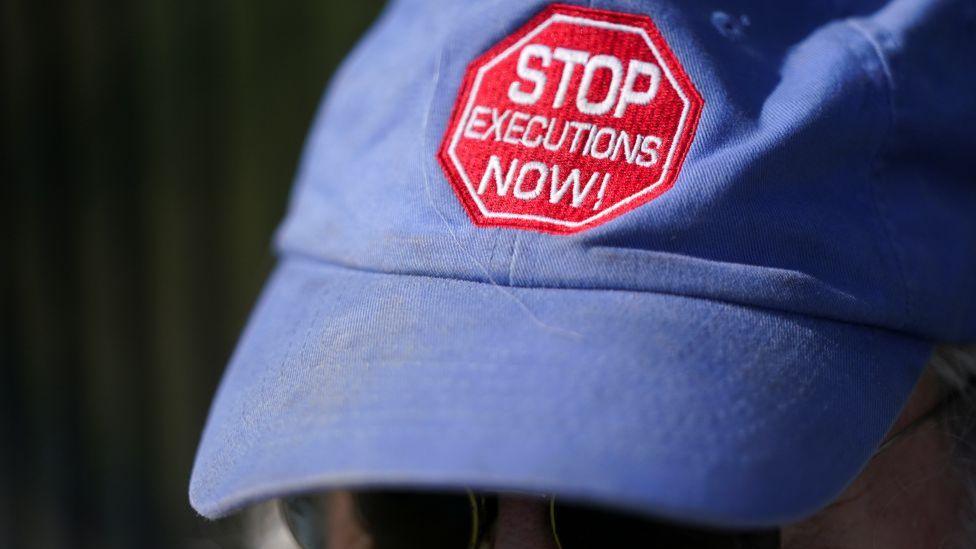
Critics warn that any execution method can cause severe pain when botched, and the protests ahead of the upcoming execution highlight growing public concern over the morality and humanity of the death penalty.