In brief
The USS Abraham Lincoln has served the Middle East for over eight months, yet crew reports of food shortages, broken plumbing and deteriorating mental health have raised serious alarm. In response, the U.S. Navy has dispatched the USS George Washington from Yokosuka, Japan, to replace the Lincoln by late August, bringing the region to a total of three aircraft carriers. President Trump confirmed a replacement ship but denied any mental‑health crisis, while congressional leaders called for urgent action to secure supplies and support for sailors. The Navy acknowledges supply disruptions linked to combat but maintains no significant rise in suicides, promising full support to crews.
For over eight months the USS Abraham Lincoln has been deployed in the Middle East, but crew reports of food shortages, broken plumbing and worsening mental health have sparked concerns. The Navy says the carrier’s supply disruptions stem from active combat, yet families claim conditions are so dire some sailors have considered jumping overboard.
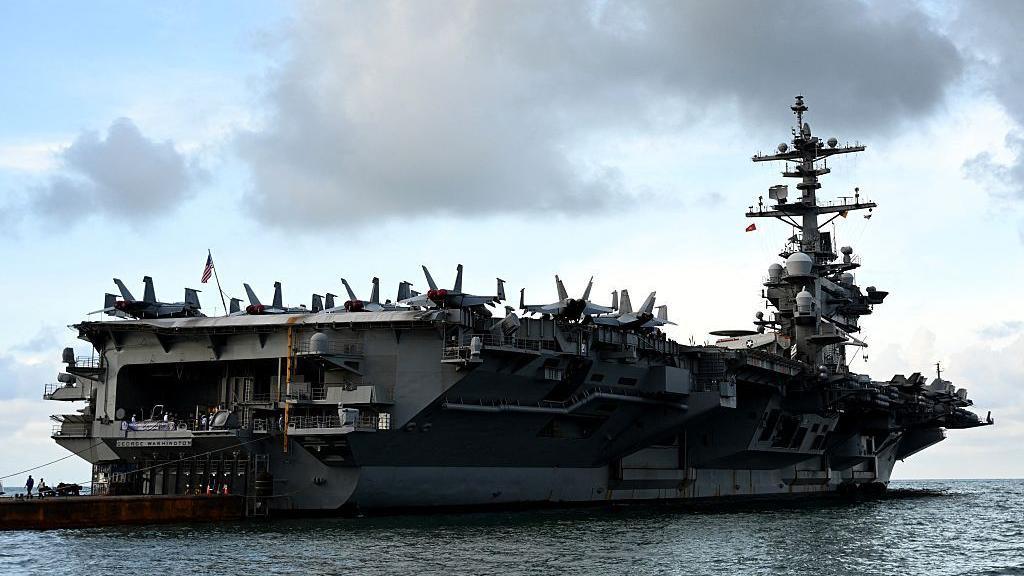
On Thursday the USS George Washington departed Yokosuka, Japan’s largest U.S. naval base. According to BBC Verify, it could reach the Oman port of Duqm – roughly 500 miles off Iran – around 22 August. The move would give the region a third carrier, alongside the USS George H. W. Bush, while no U.S. aircraft carrier remains in the Pacific.
President Donald Trump dismissed concerns that the deployment had been too long, confirming a replacement ship would arrive. Senators and congressional members such as Richard Blumenthal have called for urgent attention to the logistical and psychological well‑being of the crew.
Sources with the Navy reported the ship has been on station since 11 December, a duration that most deployments end in May. Families of sailors, cited by The Military Times and Stars & Stripes, highlighted sleepless nights and aircraft noise as factors contributing to crew exhaustion and weight loss.
The Navy maintains that no rise in suicide incidents has been recorded but it acknowledged that food supplies have been disrupted by combat actions. In a heated exchange with legislators and media, Navy Secretary Pete Hegseth asserted the government would provide every ship, every crew and every captain with everything they need.
The arrival of the George Washington marks a swift fleet change after its departure in May for a Pacific patrol and a rapid redeployment to the Middle East, ending a 250‑day deployment on the Lincoln that had raised widespread concern.