In brief
US Central Command says a series of strikes were launched against Iran in response to a surprise attack on U.S. forces in Jordan and shipping in the Strait of Hormuz. The retaliatory air campaign followed a joint U.S.–Saudi offensive earlier this week that struck Iranian proxy targets in Iraq. President Donald Trump vowed hard‑hitting strikes while the Iranian Revolutionary Guard accused the United States of aggressive military action. The conflict, which has extended over five months, shows renewed tensions after a brief lull in hostilities.
The US military has begun a series of strikes against Iranian targets, following a surprise attack by Iran’s Revolutionary Guard on American troops in Jordan and on shipping in the Strait of Hormuz this week.
CENTCOM announced the raids on X, calling them a "powerful response" to the Wednesday firing and to the earlier joint U.S.–Saudi strikes that hit Iranian‑backed proxy sites in eastern Iraq.
The renewed conflict comes after a brief lull when talks were reportedly restarted, though Tehran said no negotiations were taking place. President Trump pledged to strike back fiercely, telling reporters that the United States would hit Iran hard because it was “our turn to hit them.”
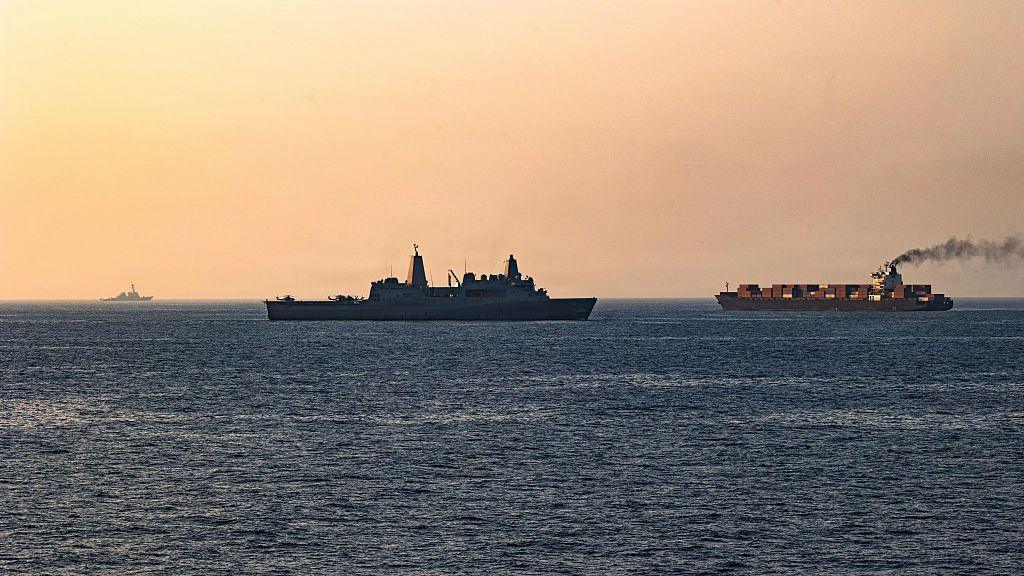
Iran’s Revolutionary Guard said it had targeted a U.S. air base and a command centre in Jordan in retaliation for U.S. aggression. The Guard also claimed naval forces had struck three oil tankers in the Strait of Hormuz after the vessels ignored warnings about unsafe navigation.
Earlier this month, the U.S. suspended a 13‑night bombing campaign aimed at Iranian weapons sites after casualties reportedly surged. Despite the pause, the administration asserted it was coordinated with the Iraqi government, a claim contested by Iraqi officials who called the strikes an “unacceptable violation of Iraq’s sovereignty.”
The U.S. and Iran, the region’s largest Sunni‑Sunni and Shia‑Shia powers, have fought for decades over influence in the Middle East. The latest escalations underscore the fragile balance and the potential for a protracted conflict that could destabilise the region further.