In brief
The U.S. consumer price index grew 3.4% year‑on‑year in July, a slight dip from the 3.5% rise seen in June. Food prices climbed modestly while energy costs fell, helping ease inflation pressure. The Fed’s new chair stressed the need to keep inflation near 2% without sudden shocks. Markets reacted calmly and investors say the data gives the Fed room to keep rates steady in September.
U.S. consumer prices increased 3.4% year‑on‑year in July, slightly lower than the 3.5% rise reported for June, according to the Bureau of Labor Statistics.
Energy prices remained volatile amid the ongoing Middle East conflict, with gasoline down 2.9% from June but up 24.6% over the past year.
Month‑to‑month inflation edged up 0.1%, driven mainly by higher housing costs that represent a large share of household spending.
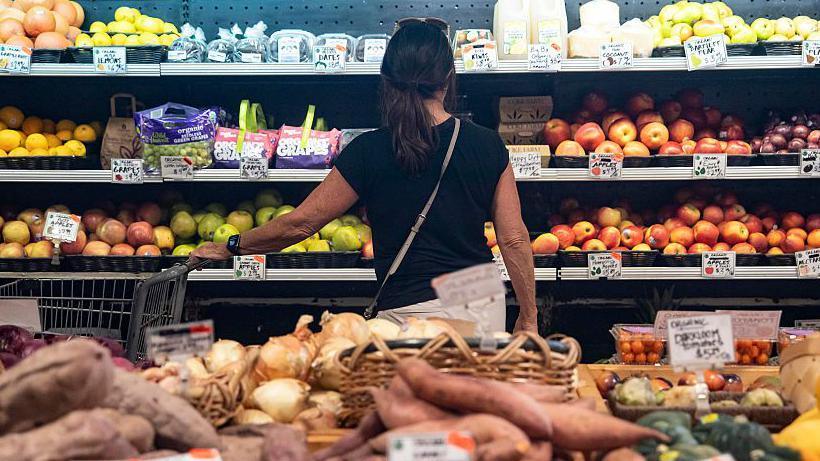
Food prices climbed only marginally, while energy costs fell, offering some respite for consumers.
Price gains without food and energy rose 0.2% after standing flat in June, with medical care and airline tickets rising and car insurance falling.
Fed Chair Kevin Warsh said the bank must keep pressing inflation toward its 2% target while avoiding abrupt shocks, noting that a "magic wand" solution is not viable.
Financial markets reacted calmly, with stocks remaining largely unchanged as the figures met expectations.
"No big surprise," said Chris Zaccarelli, chief investment officer at Northlight Asset Management, adding that inflation was not re‑accelerating. He noted that a recent job loss report may give the Fed more room to hold rates steady.
"On a real decelerating course," said Jeffrey Roach, chief economist at LPL Financial; he blamed July's energy dip for easing inflation pressure.
Bill Adams of Fifth Third Commercial Bank said the numbers kept a narrow path open for the Fed to keep rates unchanged in September.