In brief
Veteran Jonny Burnell reveals his experiences on the USS Vinson during the Afghanistan war and compares them to current conditions on the USS Abraham Lincoln. He reports crew fatigue, mental‑health worries and claims media reports of shipbreakers are exaggerated. The article examines statements from retired officer Steve Rogers and comments from CNN, highlighting the tension between official reports and frontline testimony.
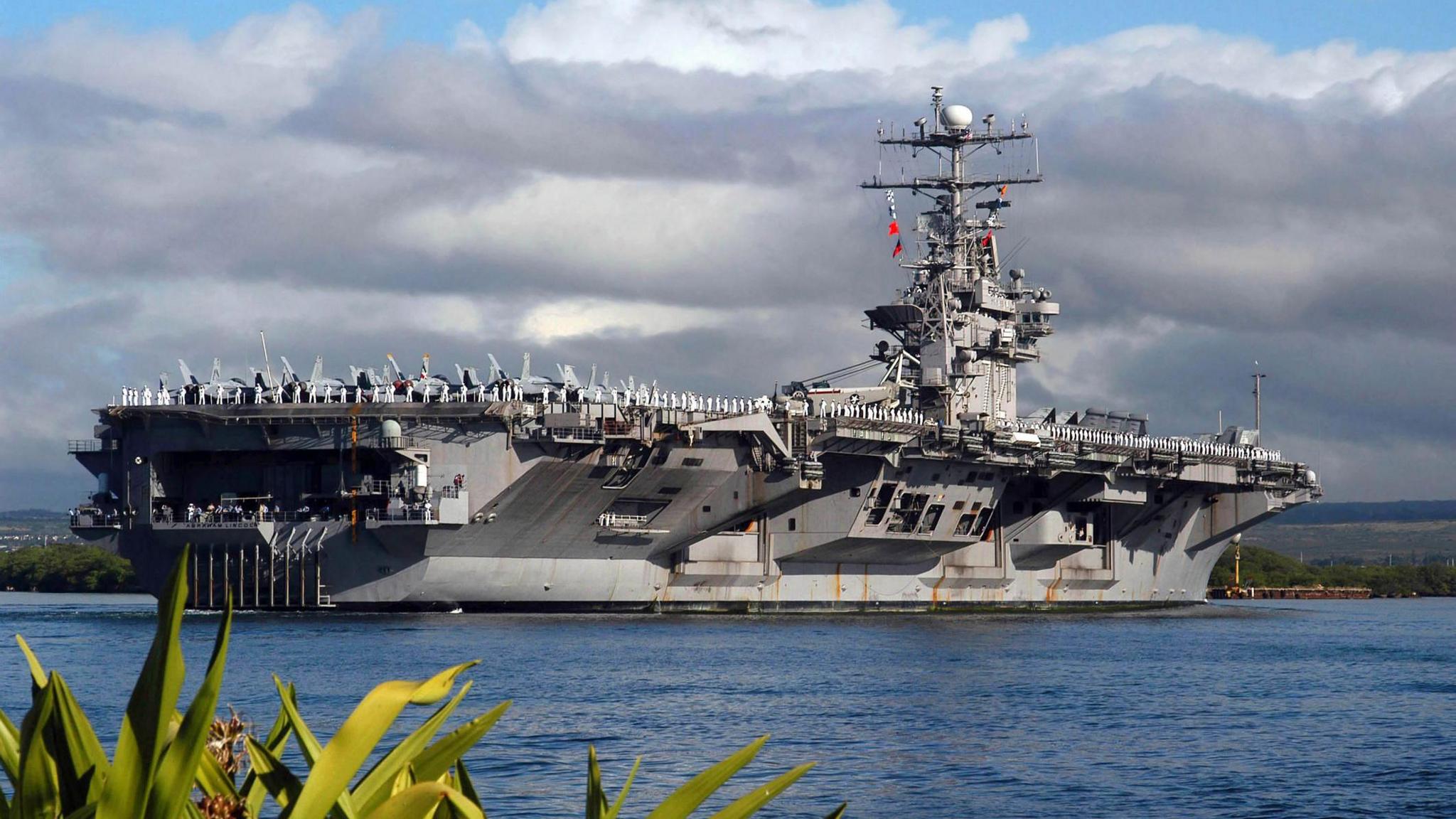
U.S. Navy veteran Jonny Burnell, who spent 111 days aboard the battleship USS Vinson during the Afghanistan war, says his time on the USS Abraham Lincoln is fraught with “sadness” and fatigue among crew members, echoing his earlier observations aboard the older vessel.
Burnell, a former photographer, had the unique ability to capture the emotional shifts of sailors as routine and morale waned. He recalls that, “There was one point where there was a visible kind of deadness in the shipmates’ eyes,” a moment he says was harder for him to ignore.
Today, reports from the Military Times and Stars & Stripes allege food shortages, broken plumbing and exhaustion aboard the Lincoln, a ship deployed since December 11 as part of the U.S.‑Iran conflict. Family members have voiced concerns about sailors’ mental health, with some reportedly attempting to jump overboard.
In a BBC interview, Burnell called the media coverage “99% hype,” claiming that senior officials have denied widespread issues and that some veterans see the claims as over‑blown. Retired Navy Lt. Commander Steve Rogers, director of the Association of the United States Navy, agrees, urging families to recognize the crew’s preparedness.
While Trump dismissed the reports as “not nearly long enough,” Admiral Brad Cooper of U.S. Central Command acknowledged the challenges of long periods at sea, noting that mental health “requires our attention just like physical health.”
CNN’s recent visit found no widespread problems, although sailors reported long‑term rationing of food as they lost weight. The CNN crew noted that showers were hot and some mould had appeared in the ventilation system.
The U.S. Navy has deployed the USS George Washington to relieve the Lincoln, a ship that has faced its own mental‑health scrutiny after a 2022 suicide cluster prompted a federal investigation into poor living conditions.
Former VA mental‑health policy head Dr. Harold Kudler cautions that isolation aboard a ship amplifies anxiety, especially in “asynchronistic war.” He stresses the need for stronger mental‑health support and clearer mission communications.
Brad Cooper and Rogers both emphasize that the ship’s performance depends on the crew’s well‑being, hinting that both official statements and crew reports need to be balanced for a comprehensive view of conditions aboard the Abraham Lincoln.
While the official director of the USS Lincoln’s mental‑health team maintains that chaplains and counselling services are available, Burnell points out the “laughable” comments about jump‑ship jokes, dismissing them as locker‑room banter and highlighting that real concerns stay with the mental‑well‑being of sailors.
The ongoing situation underscores the need for a thorough reassessment of shipboard living conditions and mental‑health protocols—an assessment that will hopefully put the reality of sailors’ experiences and official claims into perspective.