In brief
The health advocate and recent presidential candidate pushes for strict regulations on food safety, but faces significant opposition.
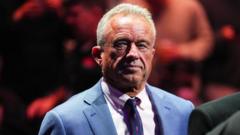
Kennedy's nomination to lead the Department of Health and Human Services (DHHS) has stirred debate as he vows to combat ultra-processed foods, harmful additives, and food dyes. At a recent rally, he criticized the food industry, stating, "We are betraying our children by letting [food] industries poison them." Despite having stepped back from his presidential run to endorse Donald Trump, Kennedy's food reform agenda faces skepticism due to his controversial history, which includes debunked claims about vaccines and environmental hazards.The former environmental attorney must also secure Senate confirmation before taking office. Experts are raising concerns about his ability to effectively challenge the entrenched food industry, commonly referred to as "Big Food." While Kennedy's focus on chronic diseases and nutrition resonates with some public health advocates, former NYU nutrition professor Marion Nestle urges caution regarding the feasibility of his proposals.Kennedy's vision for a healthier America includes banning certain additives found in many popular foods, particularly targeting school lunches. He claims that a significant part of the youth's diet consists of unhealthy, ultra-processed products, which have been linked to various health issues like obesity and diabetes. Kennedy's agenda also includes scrutiny of the FDA's operations, vowing to improve transparency and accountability within the agency.Some of Kennedy's initiatives are gaining traction among health advocates and lawmakers, including the push to eliminate certain food dyes, which experts suggest could significantly benefit public health. However, several of his more extreme positions—such as banning fluoride and promoting raw milk—have drawn criticism from health officials who question the scientific backing for such claims.While some see Kennedy's push for reform as long overdue, obstacles abound. The complex interplay between regulatory bodies like the FDA and USDA makes sweeping changes challenging. Moreover, Kennedy's harsh criticism of the existing food system may provoke backlash from major food industry players who have powerful lobbying presences in Washington.Despite the uphill battle, some experts believe Kennedy could affect real change within existing frameworks, potentially reforming dietary guidelines to limit ultra-processed foods. Critics warn that his controversial methods could hinder these reforms, noting that sidelining FDA experts could jeopardize food safety.In this fluctuating political landscape, Kennedy's health-focused agenda opens the door to conversation about America's diet and nutrition. The impact of his proposed reforms remains uncertain, but the dialogue has begun, promising to shape the future of U.S. food policy.